Posted on Leave a comment

Women’s Sports Fashion: Vikings Gear Designed for Every Fan

Women’s Sports Fashion: Vikings Gear Designed for Every Fan

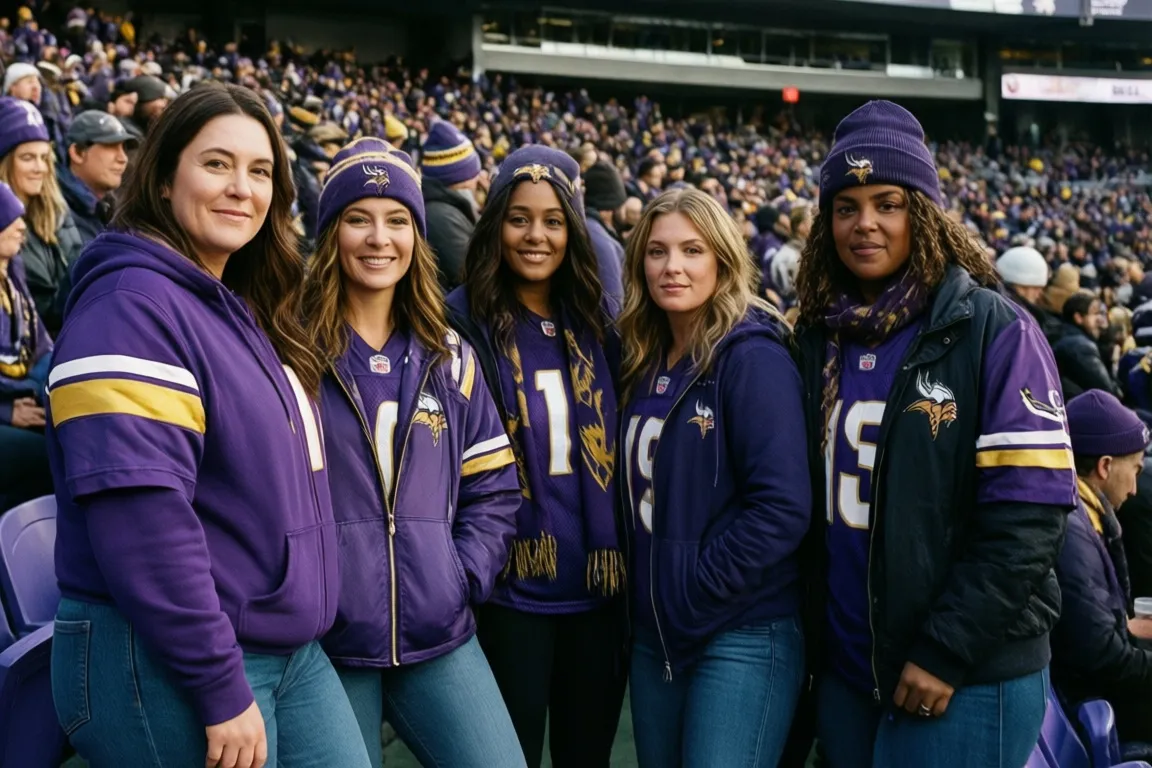
You need Vikings pieces that move when you do and still look like they belong on you. Start with a couple of core items sized for a woman’s cut, then build from there.

Start with fit and fabric

Women’s Vikings jerseys run narrower across the shoulders than the men’s versions. Try the official Nike women’s replica first if you want something you can wear all day without it stretching out.

  • Grab a fitted long-sleeve tee in purple for cooler evenings at the stadium.
  • Choose moisture-wicking leggings with the Vikings logo on the hip instead of basic sweatpants.
  • Skip anything labeled “one size” if you sit for three hours; it rarely stays comfortable.

Build three practical outfits

Match your pieces to what you actually do on game day.

Setting Top Bottom Layer
Tailgate Vikings tank Black leggings Denim jacket
Stadium seat Long-sleeve replica jersey Jeans Hooded sweatshirt
Watch party at home Cropped Vikings tee Joggers None needed

Check these before you leave

  1. Does the fabric pill after one wash? Return it if it does.
  2. Can you raise both arms without the hem riding up?
  3. Are the team colors accurate under stadium lights?
  4. Do the seams sit flat across your back when you sit down?

Keep one spare Vikings beanie in your bag. Cold hits fast once the sun drops.
Posted on Leave a comment

The Evolution of NFL Team Branding and Merchandise

The Evolution of NFL Team Branding and Merchandise

NFL team branding started with basic marks on helmets and grew into a full system that drives what fans actually buy and wear. You can trace most current gear back to a few clear shifts in how teams picked logos and sold items.

Early logos stayed plain and practical

Teams in the 1920s through 1950s picked simple shapes and letters because they had to paint them on leather helmets by hand. The Chicago Bears used a plain C. The Green Bay Packers settled on their oval G in 1961 and never changed it much since it read clearly from the stands.

These marks worked for local fans who bought basic wool caps or felt pennants at the stadium. No one worried about trademark fights yet because most sales stayed regional.

Television pushed replica gear into stores

Once games aired nationally after the 1970 merger, teams noticed fans wanted the same jerseys they saw on Sunday. The Dallas Cowboys star from 1960 appeared on everything from t-shirts to seat cushions. The Pittsburgh Steelers added their hypocycloid logo in 1962 and watched sales climb when the team won.

  • 1970s-1980s: Starter jackets became standard outerwear in many cities.
  • 1990s: Teams signed with Reebok and added more color options for away games.
  • 2012 onward: Nike took over and changed fabric weights so replicas fit better on regular fans.

Owners realized the logo on a hoodie could outsell tickets on some weekends.

Fans now shape updates through direct feedback

Teams test new uniform concepts on social media before they lock the design. The Seattle Seahawks 2012 overhaul came after online polls showed fans wanted brighter green. Collectors check for small details like sleeve numbers or Nike swoosh placement to spot real versus fake pieces.

Decade Key Merch Change
1960s Basic caps and pennants only
1980s Full replica jerseys reach malls
2010s Custom name-and-number options online
2020s Limited drops tied to specific games

Check the official team store for the current Nike Elite version if you want the exact cut players wear. Older throwbacks still sell well when a team brings back a 1990s alternate for one season.

Posted on Leave a comment

Sizing Guide: Finding the Perfect Fit in Sports Apparel

Sizing Guide: Finding the Perfect Fit in Sports Apparel

Measure yourself first. Then match those numbers against the brand chart for the item you want. This cuts down on returns and gives you clothes that stay put during training.

Get your measurements

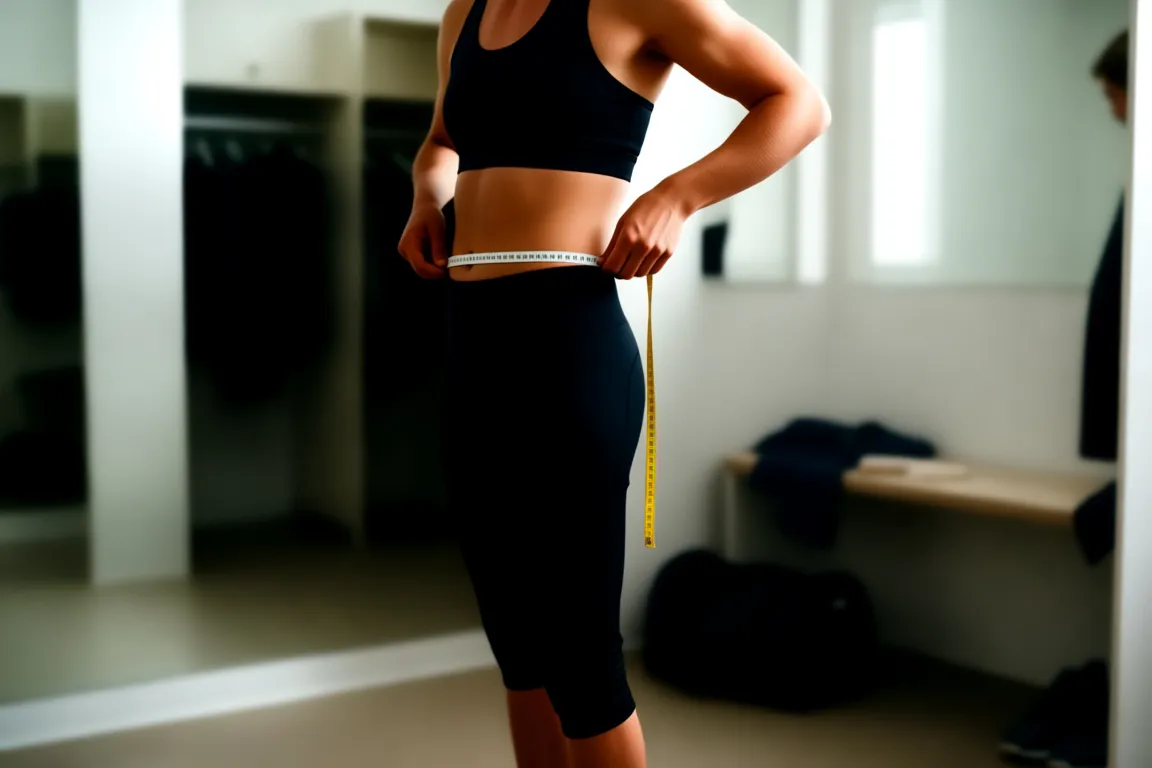
  1. Wrap a soft tape around your chest at the widest point, under the arms.
  2. Find your natural waist, usually just above the hips, and measure there.
  3. For bottoms, measure the fullest part of your hips and your inseam from crotch to floor.

Do this in the morning before eating. A runner I know added an inch to his waist measurement after lunch and ended up with shorts that dug in on long runs.

Match the numbers to the chart

Every brand prints its own chart. Look at the exact item page, not the general brand size guide. A medium in one label’s running shirt can equal a large in their cycling jersey.

Measurement Small Medium Large
Chest 34-36 in 38-40 in 42-44 in
Waist 28-30 in 32-34 in 36-38 in
Hips 35-37 in 39-41 in 43-45 in

Write your numbers down and compare them directly to the row for the garment type.

Choose fit by sport

  • Running tops: pick one size smaller if you want zero bounce on long runs.
  • Weightlifting shorts: size up one if you need room for deep squats and thick knee sleeves.
  • Cycling jerseys: go true to size so the back stays down when you reach for the bars.

A soccer player I train with always sizes up in compression tights because the fabric stretches less after the first wash.

Test while moving

Try these quick checks before you keep the item:

  • Raise your arms overhead. Nothing should ride up past your waistband.
  • Squat or lunge. Check that the crotch does not bind or gap.
  • Walk or jog in place for 30 seconds. Seams should stay flat against skin.

If anything pulls or gaps, exchange it right away. The right size feels like it belongs on you after ten minutes of movement.