Posted on Leave a comment

Game Day Traditions: How Fans Express Their Team Spirit

Game Day Traditions: How Fans Express Their Team Spirit

Start with the clothes and food you already own. Most fans build game day traditions around a few repeatable habits that fit their schedule and budget.

Choose Your Look First

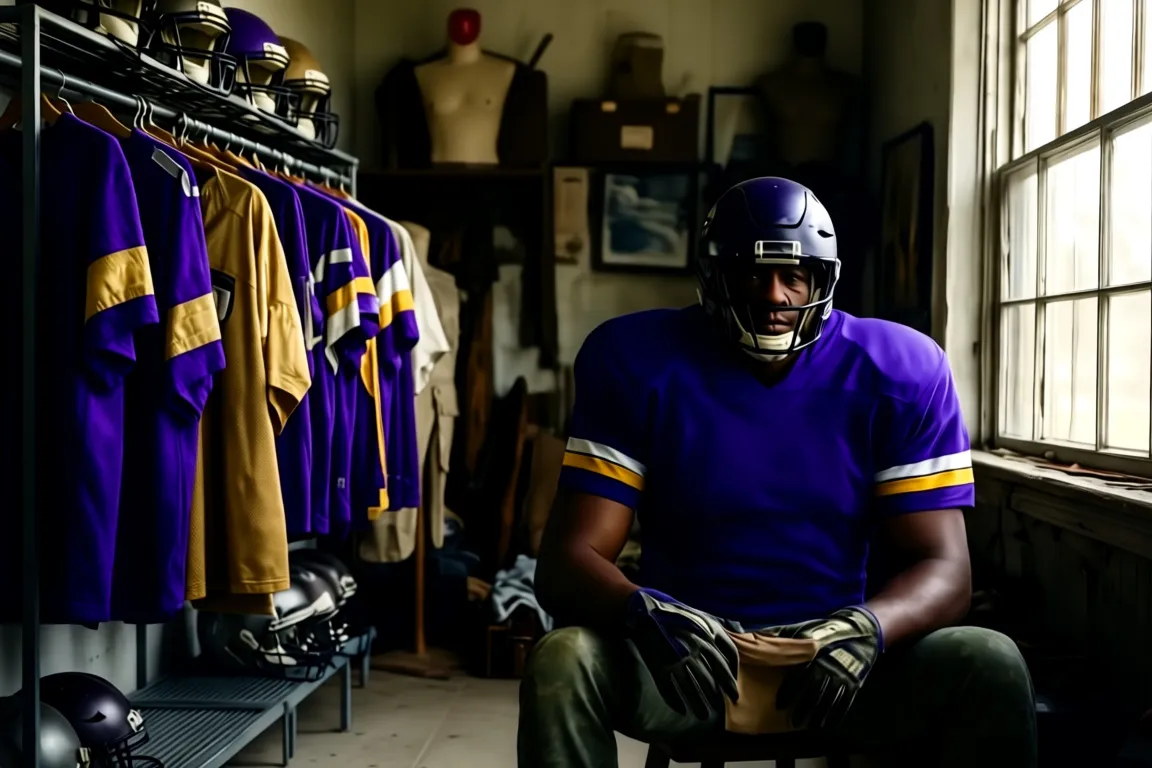
Pick one main item you wear every game. A jersey works, but so does a faded team hat or a scarf from the first season you followed them. Layer a plain shirt underneath so you stay comfortable if the weather shifts.

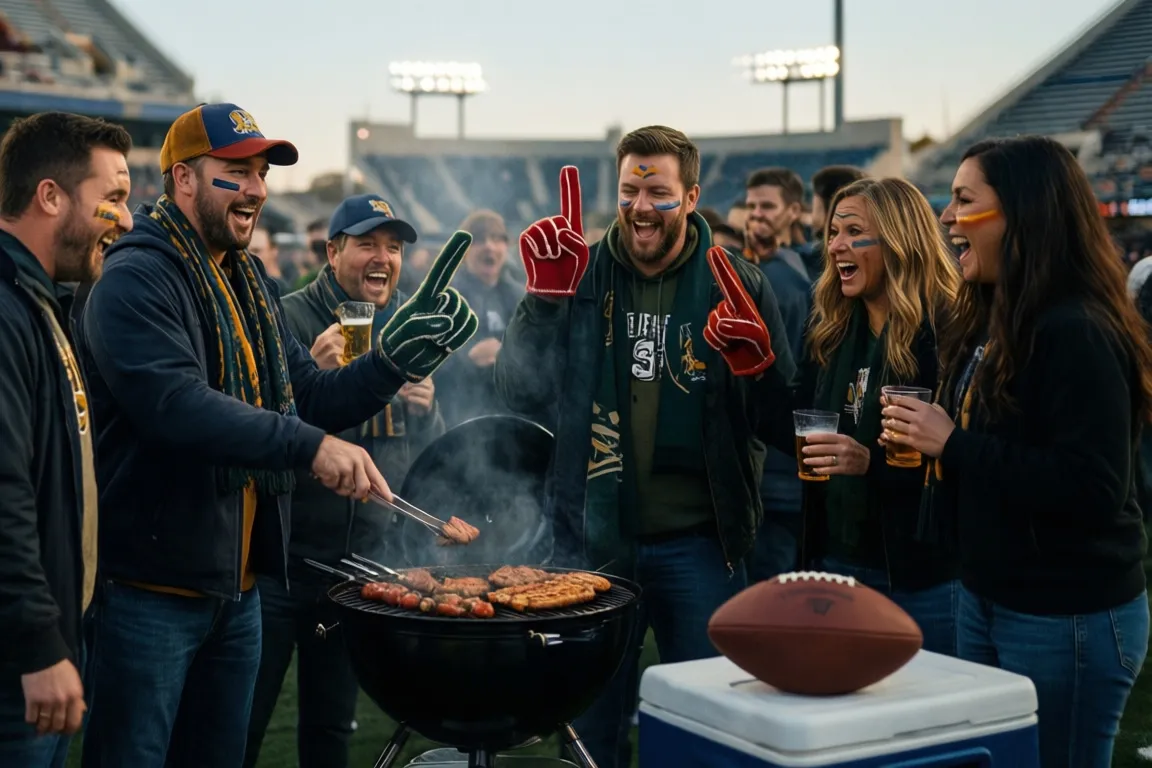
  • College fans often paint one cheek in team colors before tailgates.
  • NFL groups pass around the same lucky socks that have been through multiple playoff runs.
  • Soccer supporters tie a scarf around a backpack so it shows at every match.

Check the forecast the night before. If rain is likely, bring a clear poncho in your team color instead of skipping the jersey.

Build Simple Shared Rituals

Decide on two or three things the group does together every time. Keep them short so they stay fun instead of turning into chores.

Group size Easy ritual Example
2-4 people Same snack order Buffalo wings at kickoff for every home game
5-10 people One chant or toast Raise a drink on the first defensive stop
Watch party at home Phone stack rule Everyone puts phones in a bowl until halftime

Use a quick checklist the morning of the game so nothing gets forgotten.

  • Jersey or hat laid out
  • Food or drinks prepped
  • Route to the tailgate or bar confirmed
  • Small sign or flag packed if you usually bring one

These steps keep the focus on the game instead of last-minute scrambling.
Posted on Leave a comment

How to Choose the Right Vikings Jersey for Game Day

How to Choose the Right Vikings Jersey for Game Day

Start by matching the jersey to how you will actually wear it. Most fans need one that handles movement, weather, and a full day at the stadium without riding up or feeling stiff.

Lock in the right size and cut first

Try the jersey on if you can, or use the team’s size chart with your measurements. Game day means stairs, standing, and sitting, so leave room for layers underneath.

  • Authentic fits run tight through the chest and arms. Grab one size up if you wear hoodies.
  • Women often prefer the replica cut because it sits straighter at the hips.
  • Kids versions work fine for adults who want something lighter, but check sleeve length first.

Measure your chest and compare it to the tag before you order. A jersey that pulls at the shoulders will annoy you by halftime.

Match the player or design to the moment

Current roster names like Jefferson or Cousins stay relevant all season. Throwbacks such as Moss or Carter draw comments in the tailgate lot but can feel dated if the team struggles.

  1. Decide if you want a name on the back. Blank jerseys cost less and let you add patches later.
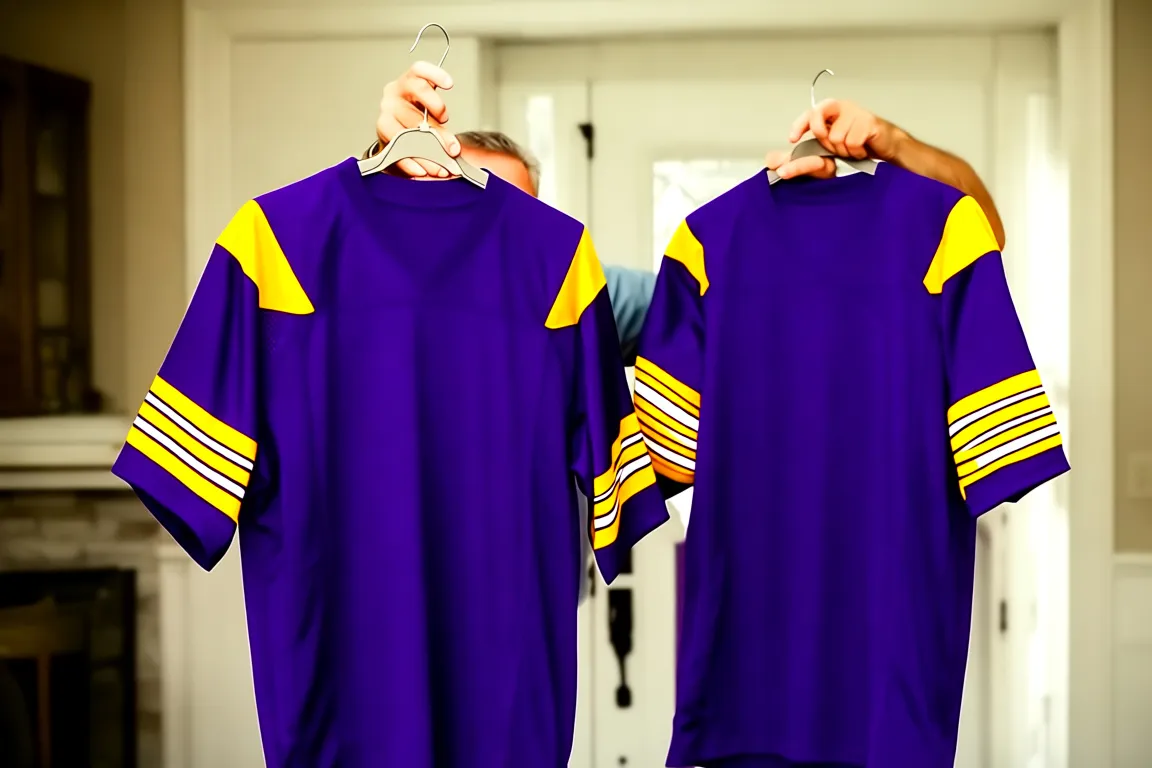
  2. Check color: purple home jerseys stand out under lights, while white road versions stay cooler in early fall sun.
  3. Look at the patch on the sleeve. A Super Bowl patch or anniversary logo adds detail without changing the fit.

Check fabric weight and stitching

Mesh jerseys breathe better during September games. Heavier nylon holds up to rain and multiple washes.

Material Best for Watch out for
Mesh Warm weather, constant movement Can snag on seatbacks
Heavy nylon Cold games, tailgating Feels warmer if you sit indoors
Replica screen print One season use Numbers may crack after washing

Run your hand over the numbers. Stitched versions last longer than prints when you wash the jersey after every game.

Posted on Leave a comment

The History of Minnesota Vikings Uniforms and Design Evolution

The History of Minnesota Vikings Uniforms and Design Evolution

The Vikings have kept the same core colors since day one, yet the cut, trim, and helmet details have changed in clear steps. You can track each shift by looking at the pants stripe width, number style, and horn placement on the helmet.

1961: The First Set

The team launched with purple jerseys, white pants, and gold trim. The helmet showed yellow horns on a purple shell with a white center stripe. Early photos show the numbers on the jersey sleeves sat higher than today’s placement.

  • Jersey: Solid purple with gold outline on numbers
  • Pants: White with a single thin purple stripe
  • Helmet: Yellow horns, no facemask until 1962

1970s: Tightening the Look

By 1970 the pants stripe widened and the jersey numbers moved to a block style. The horn logo on the helmet grew slightly larger. Players wore this version through the playoff runs of the mid-70s.

Check the sleeve stripes: they stayed narrow and straight until 1979, when a second gold line appeared above the purple one.

1990s to 2006: Minor Tweaks

The team kept the same template but swapped the fabric to a lighter mesh in 1996. The gold on the pants stripe picked up a reflective thread that showed under stadium lights. In 2002 they added a small TV-number patch on the back of the collar.

Year Change
1996 Mesh fabric on jerseys
2002 Collar TV number added
2006 Gold pants reintroduced for select games

2013 Redesign

Nike took over and gave the jersey a new cut with shorter sleeves and a stretchier neck. The horn logo on the helmet moved forward a half inch. Gold trim around the numbers became thinner. Many fans first noticed the change in the season opener against Detroit.

2016 to Now: Current Details

The current set uses the same purple and gold but the pants stripe now has a broken gold line inside the purple band. Helmets added a matte finish option for road games in 2020. Throwback uniforms from 2018 copied the 1970s block numbers exactly, including the old sleeve placement.

If you want to spot the differences in photos, start with the pants stripe and work up to the helmet horns.