Posted on Leave a comment

American Football Lifestyle: Beyond the Stadium Experience

American Football Lifestyle: Beyond the Stadium Experience

If you want to live the game instead of just watching it once a week, focus on the parts that fit into your regular schedule. Start with one habit that repeats every Sunday or Monday rather than trying to copy everything at once.

Tailgating Without a Stadium Parking Pass

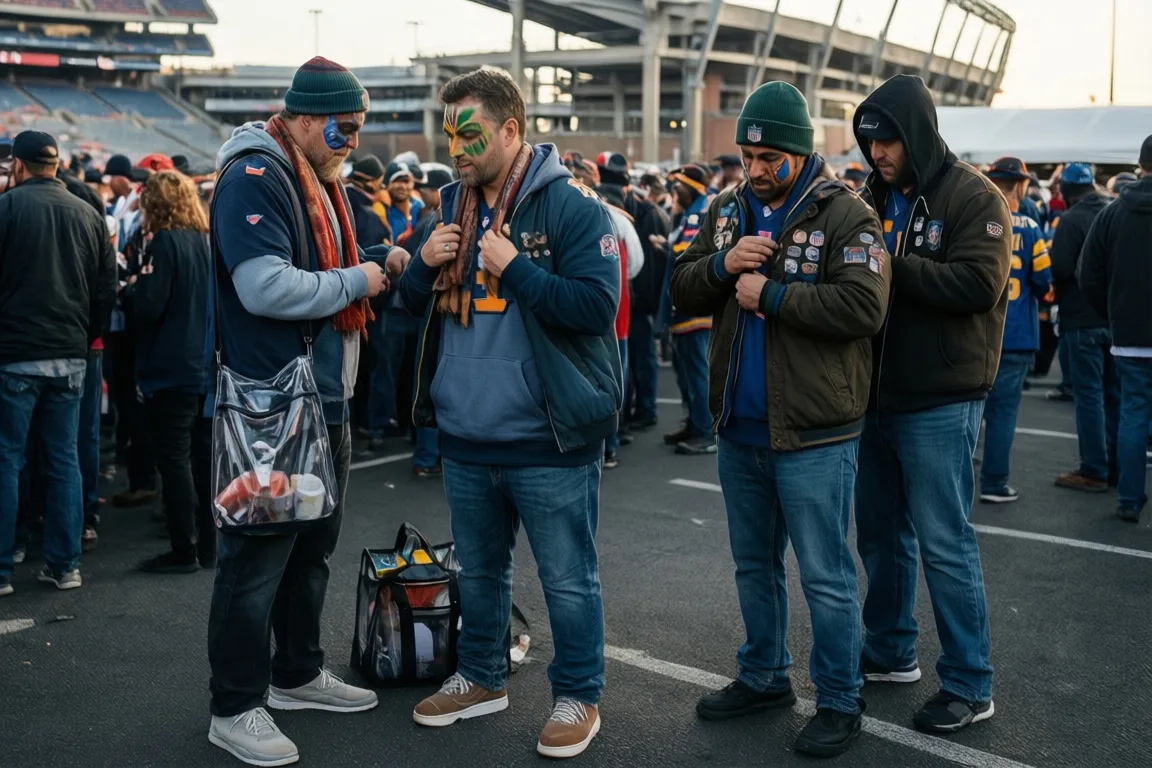
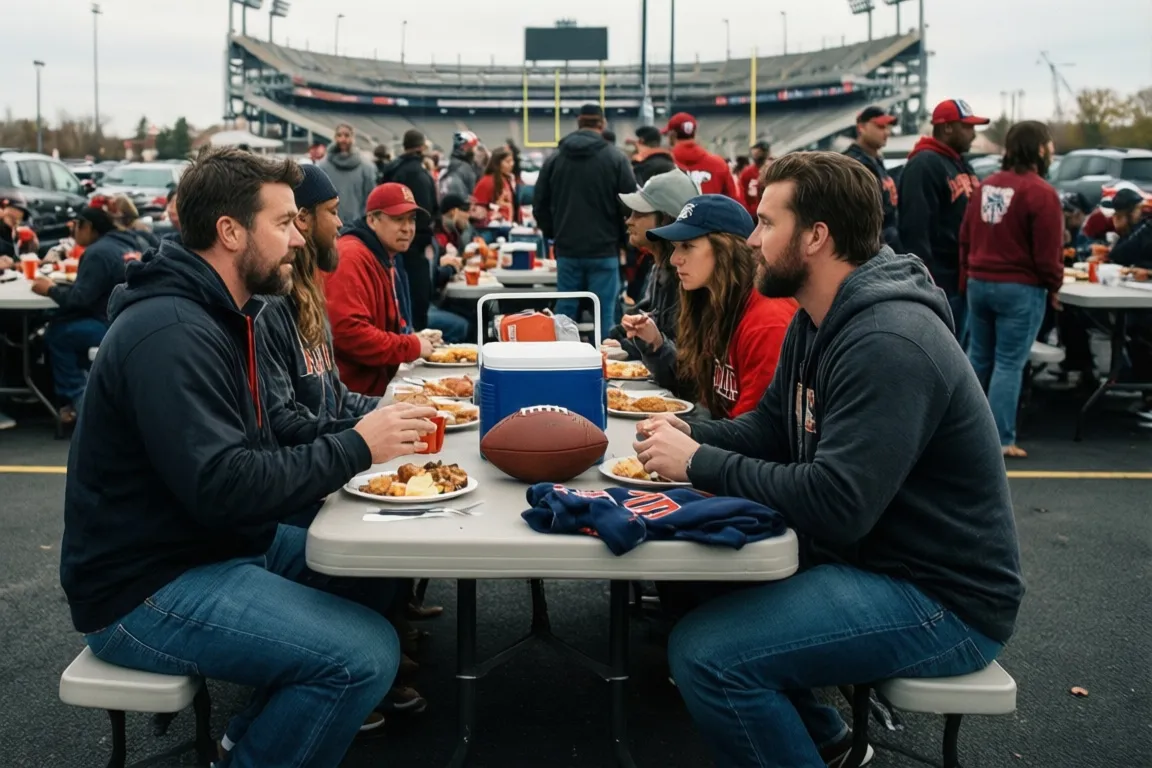
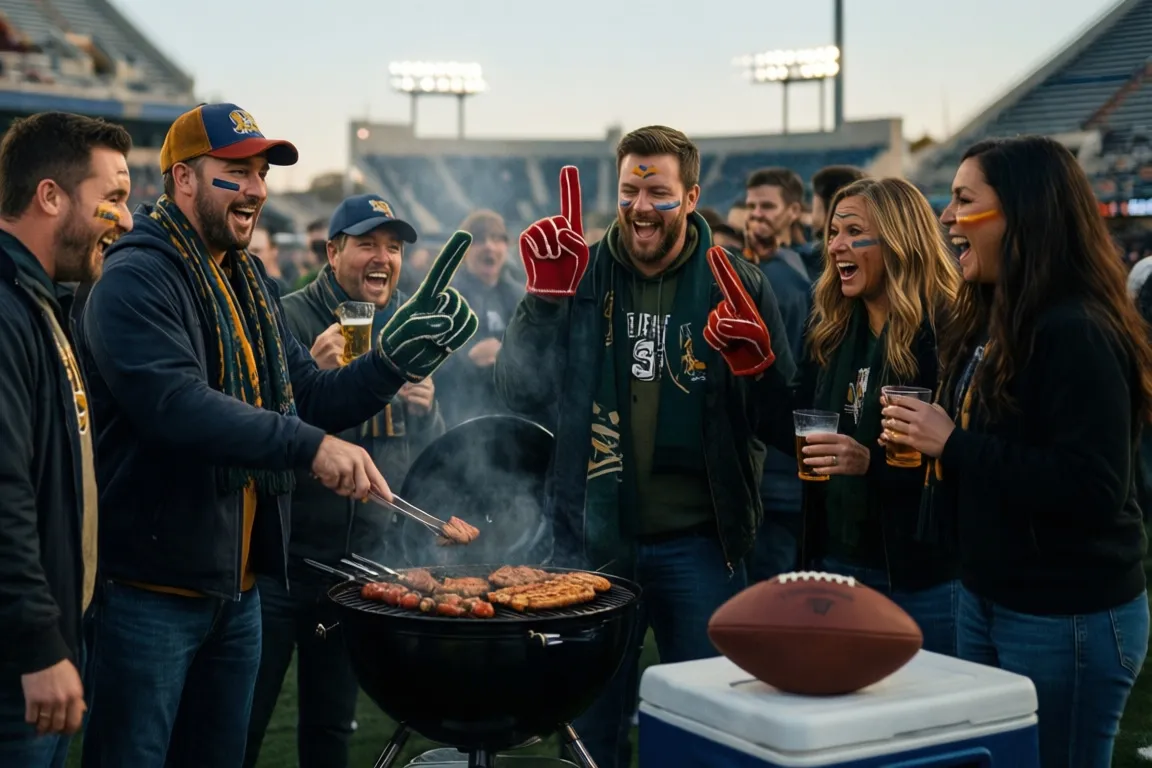
Many fans set up in a regular lot or park near sports bars when they cannot reach the official lots. You need a portable grill, a folding table, and one cooler that holds both drinks and raw meat on separate shelves.

  • Arrive two hours before kickoff so the coals are ready when friends show up.
  • Bring a second small cooler just for backup drinks in case the first one runs low before halftime.
  • Pack a bag of charcoal and a fire starter; gas grills often get banned in city parks.

My group usually splits the cost of burgers and buns three ways. One person handles the grill, another keeps score on a phone, and the third walks around and invites nearby strangers to grab a plate.

Building a Reliable Home Setup

You do not need a full sports bar at home. One large screen plus a second device for stats works for most people.

  1. Place the main TV at eye level so you do not crane your neck during long drives.
  2. Run an HDMI cable from a laptop to the TV for streaming if cable goes out.
  3. Keep a notepad or open spreadsheet on the side table for quick fantasy scoring notes.

Test the stream the night before a big game. Nothing kills momentum faster than a frozen screen in the second quarter.

Running a Small Fantasy League

Keep the league to eight or ten people so decisions stay quick. Use a free platform and set the buy-in at twenty dollars to keep it casual.

Week Task Time Needed
1 Draft 90 minutes
3 Trade deadline check-in 20 minutes
Every Sunday Lineup lock reminder text 5 minutes

One league I joined sends a single group text at 11 a.m. Eastern on game days. That single message cuts down on endless back-and-forth during the actual games.

Finding Pickup Games and Local Leagues

Search for adult flag football on city recreation sites or apps that list pick-up times. Most fields open at 9 a.m. on Saturdays and run two-hour sessions.

  • Bring your own mouthguard and cleats even if the league supplies jerseys.
  • Arrive fifteen minutes early to stretch with whoever shows up first.
  • Expect different skill levels. Start on defense until you learn the group pace.

One Thursday night group in my area rotates quarterbacks every three possessions so nobody hogs the ball the whole game.

Daily Habits That Match the Season

Wear team colors on game days but keep one neutral jacket for work. That way you avoid awkward conversations with clients who root for the other side.

Track your own steps or gym lifts on the same app you use for fantasy points. The numbers give you something to talk about with coworkers who also follow the league.

Rotate between two or three podcasts during the commute instead of listening to the same show every day. Fresh takes keep the conversation going when you meet friends later.
Posted on Leave a comment

Game Day Traditions: How Fans Express Their Team Spirit

Game Day Traditions: How Fans Express Their Team Spirit

Start with the clothes and food you already own. Most fans build game day traditions around a few repeatable habits that fit their schedule and budget.

Choose Your Look First

Pick one main item you wear every game. A jersey works, but so does a faded team hat or a scarf from the first season you followed them. Layer a plain shirt underneath so you stay comfortable if the weather shifts.

  • College fans often paint one cheek in team colors before tailgates.
  • NFL groups pass around the same lucky socks that have been through multiple playoff runs.
  • Soccer supporters tie a scarf around a backpack so it shows at every match.

Check the forecast the night before. If rain is likely, bring a clear poncho in your team color instead of skipping the jersey.

Build Simple Shared Rituals

Decide on two or three things the group does together every time. Keep them short so they stay fun instead of turning into chores.

Group size Easy ritual Example
2-4 people Same snack order Buffalo wings at kickoff for every home game
5-10 people One chant or toast Raise a drink on the first defensive stop
Watch party at home Phone stack rule Everyone puts phones in a bowl until halftime

Use a quick checklist the morning of the game so nothing gets forgotten.

  • Jersey or hat laid out
  • Food or drinks prepped
  • Route to the tailgate or bar confirmed
  • Small sign or flag packed if you usually bring one

These steps keep the focus on the game instead of last-minute scrambling.

Posted on Leave a comment

The Evolution of NFL Team Branding and Merchandise

The Evolution of NFL Team Branding and Merchandise

NFL team branding started with basic marks on helmets and grew into a full system that drives what fans actually buy and wear. You can trace most current gear back to a few clear shifts in how teams picked logos and sold items.

Early logos stayed plain and practical

Teams in the 1920s through 1950s picked simple shapes and letters because they had to paint them on leather helmets by hand. The Chicago Bears used a plain C. The Green Bay Packers settled on their oval G in 1961 and never changed it much since it read clearly from the stands.

These marks worked for local fans who bought basic wool caps or felt pennants at the stadium. No one worried about trademark fights yet because most sales stayed regional.

Television pushed replica gear into stores

Once games aired nationally after the 1970 merger, teams noticed fans wanted the same jerseys they saw on Sunday. The Dallas Cowboys star from 1960 appeared on everything from t-shirts to seat cushions. The Pittsburgh Steelers added their hypocycloid logo in 1962 and watched sales climb when the team won.

  • 1970s-1980s: Starter jackets became standard outerwear in many cities.
  • 1990s: Teams signed with Reebok and added more color options for away games.
  • 2012 onward: Nike took over and changed fabric weights so replicas fit better on regular fans.

Owners realized the logo on a hoodie could outsell tickets on some weekends.

Fans now shape updates through direct feedback

Teams test new uniform concepts on social media before they lock the design. The Seattle Seahawks 2012 overhaul came after online polls showed fans wanted brighter green. Collectors check for small details like sleeve numbers or Nike swoosh placement to spot real versus fake pieces.

Decade Key Merch Change
1960s Basic caps and pennants only
1980s Full replica jerseys reach malls
2010s Custom name-and-number options online
2020s Limited drops tied to specific games

Check the official team store for the current Nike Elite version if you want the exact cut players wear. Older throwbacks still sell well when a team brings back a 1990s alternate for one season.

Posted on Leave a comment

Collecting NFL Memorabilia: What Every Vikings Fan Should Know

Collecting NFL Memorabilia: What Every Vikings Fan Should Know

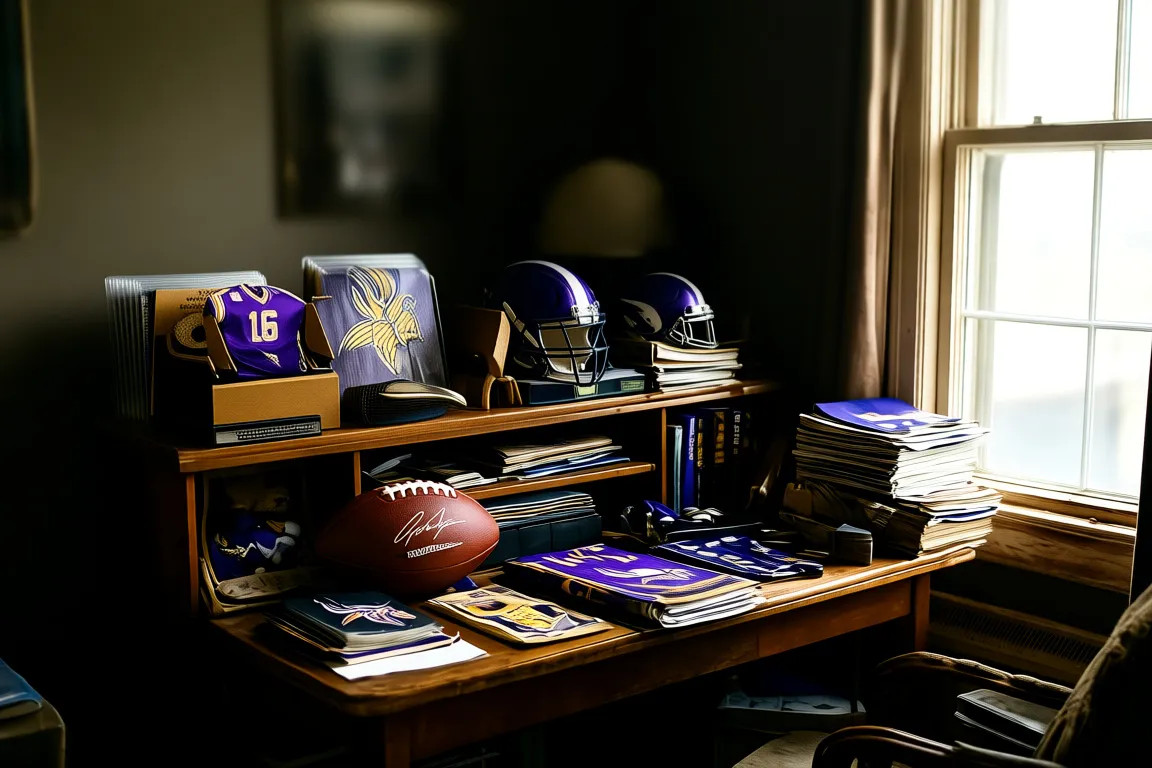
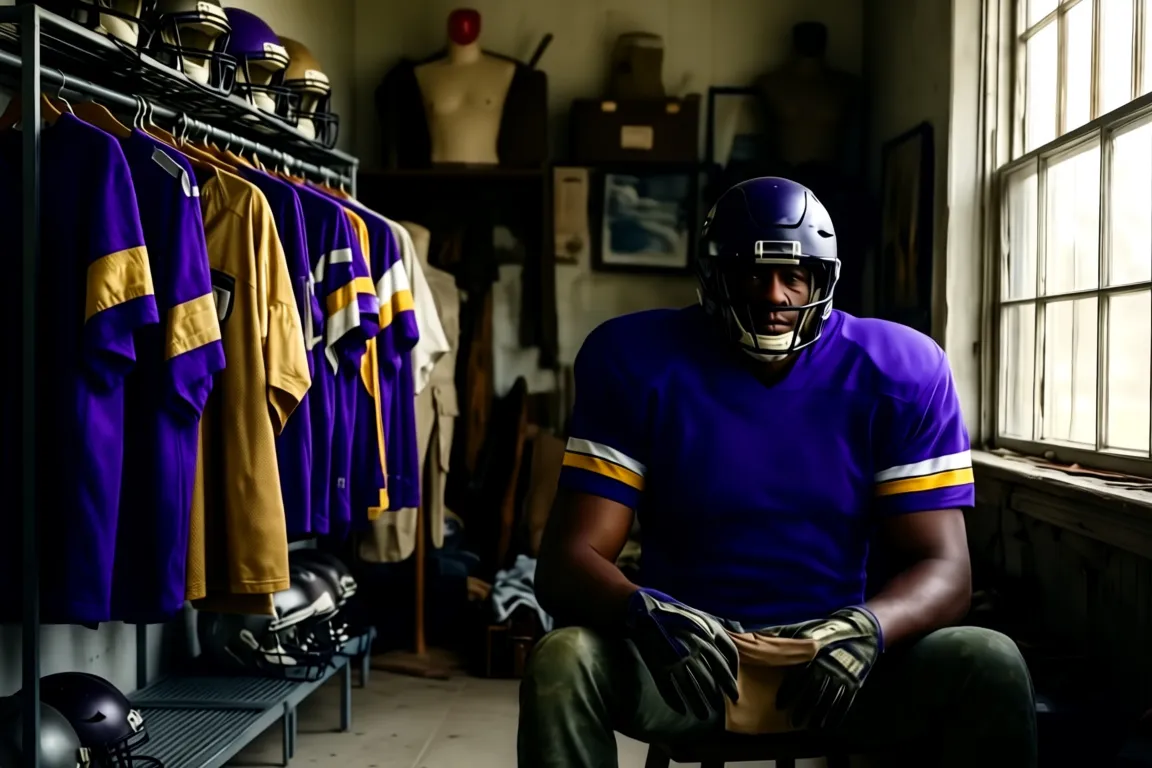
If you want Vikings memorabilia that holds real value, start with pieces connected to franchise moments like the 1970s Purple People Eaters or Justin Jefferson’s rookie year. Skip mass-produced bobbleheads at first. Focus on items with clear provenance instead.

Where to Find Solid Vikings Pieces

Shop where other collectors actually buy. The team store at U.S. Bank Stadium carries current player autographs with holograms. Online, watch eBay completed listings for sold prices on similar items before you bid. Local Minnesota estate sales sometimes turn up game-worn helmets from the 1980s or 1990s.

  • Check seller feedback above 98 percent and ask for close-up photos of signatures and tags.
  • Try charity auctions tied to Vikings players. One fan picked up a signed Randy Moss jersey for under $400 this way last season.
  • Visit the Pro Football Hall of Fame shop or their online store for authenticated older Vikings items.

How to Check What You Are Buying

Run through this quick checklist before you pay.

  1. Look for an official hologram or sticker from a company like PSA or JSA on autographed items.
  2. Compare the signature to known examples on Beckett or online databases.
  3. Ask for a letter of authenticity that lists the exact event and date the item was signed.
  4. Inspect jerseys for proper NFL tags, correct sleeve numbers, and stitching that matches game photos.
Source Typical Price Range What to Watch
Team store $150-$600 Current players only
Online auction $50-$800 Fakes on low-feedback sellers
Estate sales $20-$300 Condition and story behind the piece

Keep receipts and photos of every item you add. Store jerseys flat or on padded hangers so the fabric stays straight.

Posted on Leave a comment

NFL Fan Culture: Building Your Ultimate Game Day Outfit

NFL Fan Culture: Building Your Ultimate Game Day Outfit

Your game day look starts with the jersey that matches the team you’re backing and the weather you expect at the stadium. Add layers and small details that fit how you actually watch games.

Pick the Right Jersey First

Start here because everything else builds around it. Choose a player name and number you actually follow instead of a generic team shirt. Many fans go with a current starter like a Justin Jefferson Vikings jersey or an older classic such as a Brett Favre Packers one for tailgates.

  • Authentic on-field versions cost more but hold up better after several washes.
  • Replica jerseys work fine for most Sunday crowds and fit looser for layering.
  • Throwback options stand out when everyone else wears the same current roster shirt.

Layer for the Forecast

Check the weather the night before and build from there. Stadium seats stay cold even when the sun comes out.

Weather Base Mid layer Outer
Cold under 40 F Thermal long sleeve Team hoodie Waterproof jacket
40 to 60 F T-shirt or long sleeve Fleece vest Light windbreaker
Above 60 F Jersey only None needed None needed

Pack a small dry bag for the outer layer once you sit down. You will use it again on the way out.

Add Details That Fit How You Watch

Finish with items you already use on game days at home. A simple beanie in team colors keeps your head warm during night games. A small seat cushion with your team’s logo helps on metal bleachers. Bring a clear plastic bag for snacks and your phone so security does not slow you down at the gate. Skip the full face paint unless you plan to stand the whole game. A painted cheek or two works better for sitting sections.

Posted on Leave a comment

Essential NFL Fan Gear for Every Season

Essential NFL Fan Gear for Every Season

You need the right pieces so you stay comfortable at every game without overpacking. Start with your jersey and build from there based on the month and stadium.

Fall Regular Season Starts

September and October games often swing from warm afternoons to cool nights. Bring one layer you can add after kickoff.

  • Long-sleeve team shirt under a jersey for 50-degree evenings in places like Chicago
  • Light knit hat that fits in a pocket
  • Closed-toe shoes instead of sandals once the sun drops

Winter Playoff Games

January games in northern stadiums demand real insulation. Focus on what stays warm when you sit for three hours.

Item Example Use
Insulated puffer jacket Packers night games where temps hit single digits
Thermal base layer top and bottom Worn under jeans and hoodie at Buffalo
Thick wool socks Keeps feet warm inside boots during snow

Summer Preseason and Early Camps

August practices and exhibition games run hot. Skip heavy fabrics and choose breathable options instead.

  • Mesh jersey that lets air move during 90-degree tailgates in Atlanta
  • Wide-brim cap with team logo for sun protection
  • Portable fan that clips to a chair

Rain and Wind Days

Check the forecast the night before. A sudden shower can turn a fun afternoon into a cold one fast.

Keep a compact rain shell in your bag. Add waterproof seat covers for metal bleachers at open stadiums like Philadelphia.

Items That Work Year Round

Some pieces travel with you to every game. Build this short list once and reuse it.

  1. Phone charger with team-colored cable
  2. Small clear bag that meets stadium rules
  3. Noise maker like a thunder stick for road games
  4. Snacks in resealable bags for long drives home
Posted on Leave a comment

Sizing Guide: Finding the Perfect Fit in Sports Apparel

Sizing Guide: Finding the Perfect Fit in Sports Apparel

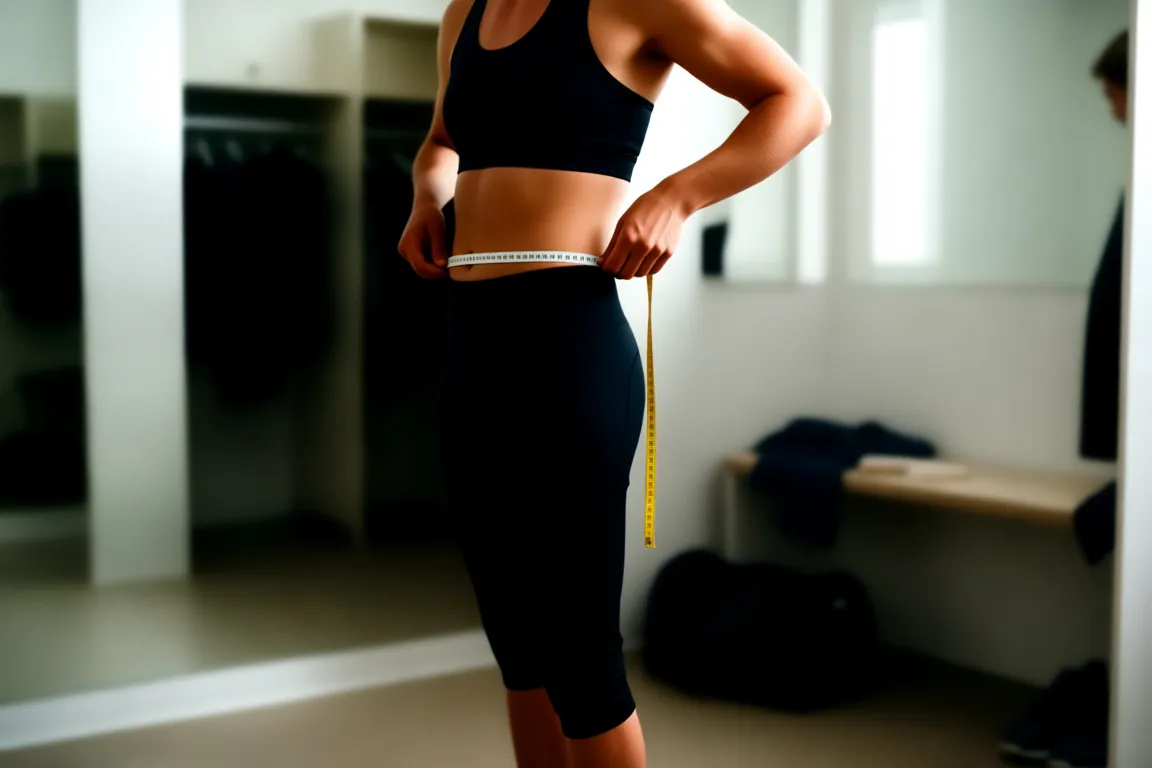
Measure yourself first. Then match those numbers against the brand chart for the item you want. This cuts down on returns and gives you clothes that stay put during training.

Get your measurements

  1. Wrap a soft tape around your chest at the widest point, under the arms.
  2. Find your natural waist, usually just above the hips, and measure there.
  3. For bottoms, measure the fullest part of your hips and your inseam from crotch to floor.

Do this in the morning before eating. A runner I know added an inch to his waist measurement after lunch and ended up with shorts that dug in on long runs.

Match the numbers to the chart

Every brand prints its own chart. Look at the exact item page, not the general brand size guide. A medium in one label’s running shirt can equal a large in their cycling jersey.

Measurement Small Medium Large
Chest 34-36 in 38-40 in 42-44 in
Waist 28-30 in 32-34 in 36-38 in
Hips 35-37 in 39-41 in 43-45 in

Write your numbers down and compare them directly to the row for the garment type.

Choose fit by sport

  • Running tops: pick one size smaller if you want zero bounce on long runs.
  • Weightlifting shorts: size up one if you need room for deep squats and thick knee sleeves.
  • Cycling jerseys: go true to size so the back stays down when you reach for the bars.

A soccer player I train with always sizes up in compression tights because the fabric stretches less after the first wash.

Test while moving

Try these quick checks before you keep the item:

  • Raise your arms overhead. Nothing should ride up past your waistband.
  • Squat or lunge. Check that the crotch does not bind or gap.
  • Walk or jog in place for 30 seconds. Seams should stay flat against skin.

If anything pulls or gaps, exchange it right away. The right size feels like it belongs on you after ten minutes of movement.

Posted on Leave a comment

How to Choose the Right Vikings Jersey for Game Day

How to Choose the Right Vikings Jersey for Game Day

Start by matching the jersey to how you will actually wear it. Most fans need one that handles movement, weather, and a full day at the stadium without riding up or feeling stiff.

Lock in the right size and cut first

Try the jersey on if you can, or use the team’s size chart with your measurements. Game day means stairs, standing, and sitting, so leave room for layers underneath.

  • Authentic fits run tight through the chest and arms. Grab one size up if you wear hoodies.
  • Women often prefer the replica cut because it sits straighter at the hips.
  • Kids versions work fine for adults who want something lighter, but check sleeve length first.

Measure your chest and compare it to the tag before you order. A jersey that pulls at the shoulders will annoy you by halftime.

Match the player or design to the moment

Current roster names like Jefferson or Cousins stay relevant all season. Throwbacks such as Moss or Carter draw comments in the tailgate lot but can feel dated if the team struggles.

  1. Decide if you want a name on the back. Blank jerseys cost less and let you add patches later.
  2. Check color: purple home jerseys stand out under lights, while white road versions stay cooler in early fall sun.
  3. Look at the patch on the sleeve. A Super Bowl patch or anniversary logo adds detail without changing the fit.

Check fabric weight and stitching

Mesh jerseys breathe better during September games. Heavier nylon holds up to rain and multiple washes.

Material Best for Watch out for
Mesh Warm weather, constant movement Can snag on seatbacks
Heavy nylon Cold games, tailgating Feels warmer if you sit indoors
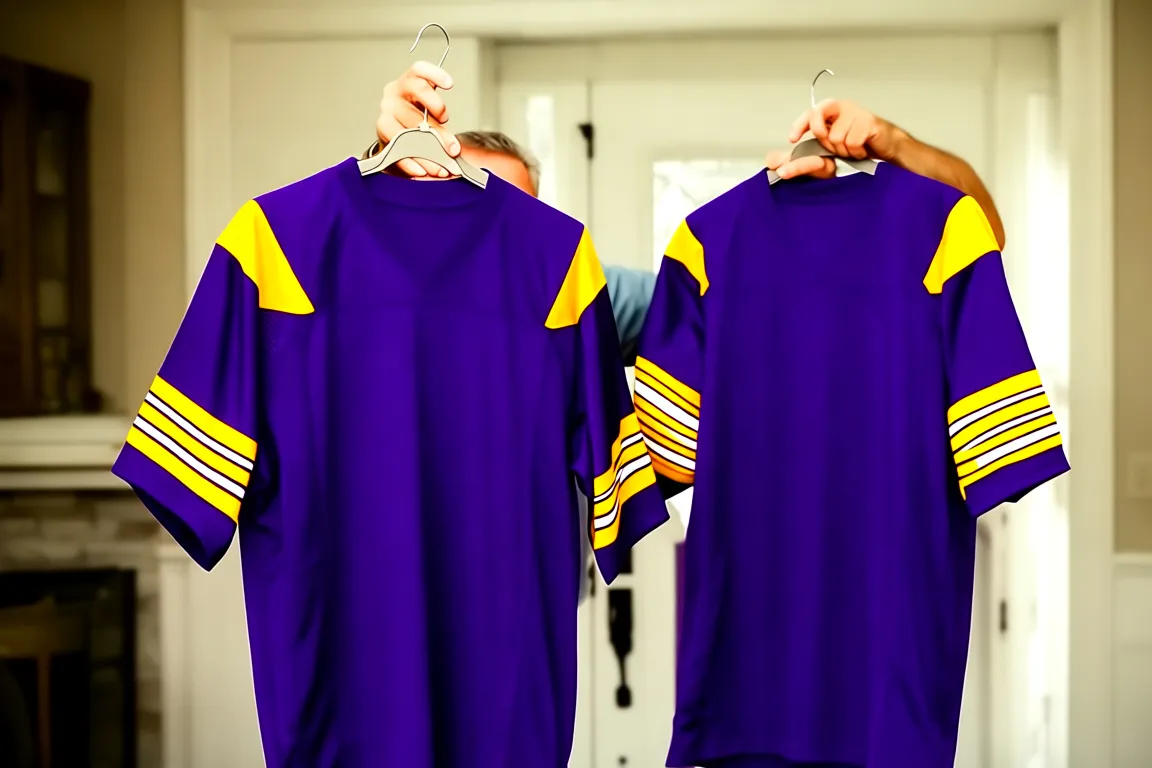
Replica screen print One season use Numbers may crack after washing

Run your hand over the numbers. Stitched versions last longer than prints when you wash the jersey after every game.

Posted on Leave a comment

The History of Minnesota Vikings Uniforms and Design Evolution

The History of Minnesota Vikings Uniforms and Design Evolution

The Vikings have kept the same core colors since day one, yet the cut, trim, and helmet details have changed in clear steps. You can track each shift by looking at the pants stripe width, number style, and horn placement on the helmet.

1961: The First Set

The team launched with purple jerseys, white pants, and gold trim. The helmet showed yellow horns on a purple shell with a white center stripe. Early photos show the numbers on the jersey sleeves sat higher than today’s placement.

  • Jersey: Solid purple with gold outline on numbers
  • Pants: White with a single thin purple stripe
  • Helmet: Yellow horns, no facemask until 1962

1970s: Tightening the Look

By 1970 the pants stripe widened and the jersey numbers moved to a block style. The horn logo on the helmet grew slightly larger. Players wore this version through the playoff runs of the mid-70s.

Check the sleeve stripes: they stayed narrow and straight until 1979, when a second gold line appeared above the purple one.

1990s to 2006: Minor Tweaks

The team kept the same template but swapped the fabric to a lighter mesh in 1996. The gold on the pants stripe picked up a reflective thread that showed under stadium lights. In 2002 they added a small TV-number patch on the back of the collar.

Year Change
1996 Mesh fabric on jerseys
2002 Collar TV number added
2006 Gold pants reintroduced for select games

2013 Redesign

Nike took over and gave the jersey a new cut with shorter sleeves and a stretchier neck. The horn logo on the helmet moved forward a half inch. Gold trim around the numbers became thinner. Many fans first noticed the change in the season opener against Detroit.

2016 to Now: Current Details

The current set uses the same purple and gold but the pants stripe now has a broken gold line inside the purple band. Helmets added a matte finish option for road games in 2020. Throwback uniforms from 2018 copied the 1970s block numbers exactly, including the old sleeve placement.

If you want to spot the differences in photos, start with the pants stripe and work up to the helmet horns.

Posted on Leave a comment

Best Vikings Merchandise for New Fans Getting Started

Best Vikings Merchandise for New Fans Getting Started

You want gear that shows you follow the Vikings without spending on stuff you will not use. Start with one core piece that works for home or the stadium, then add items that fit daily life.

Begin with a Jersey

A jersey gives the clearest signal you are a fan. New fans often pick the current quarterback or a skill player who has stayed with the team for years.

  • Justin Jefferson home purple jersey runs about $130 at the official shop.
  • Choose size up if you plan to layer it over a hoodie in Minnesota winters.
  • Check the stitching on the numbers before you buy used ones on resale sites.

Add Hats and Layer Pieces

Hats and hoodies handle most everyday wear. They cost less than a full jersey yet still read as team gear.

Item When to wear it Typical price
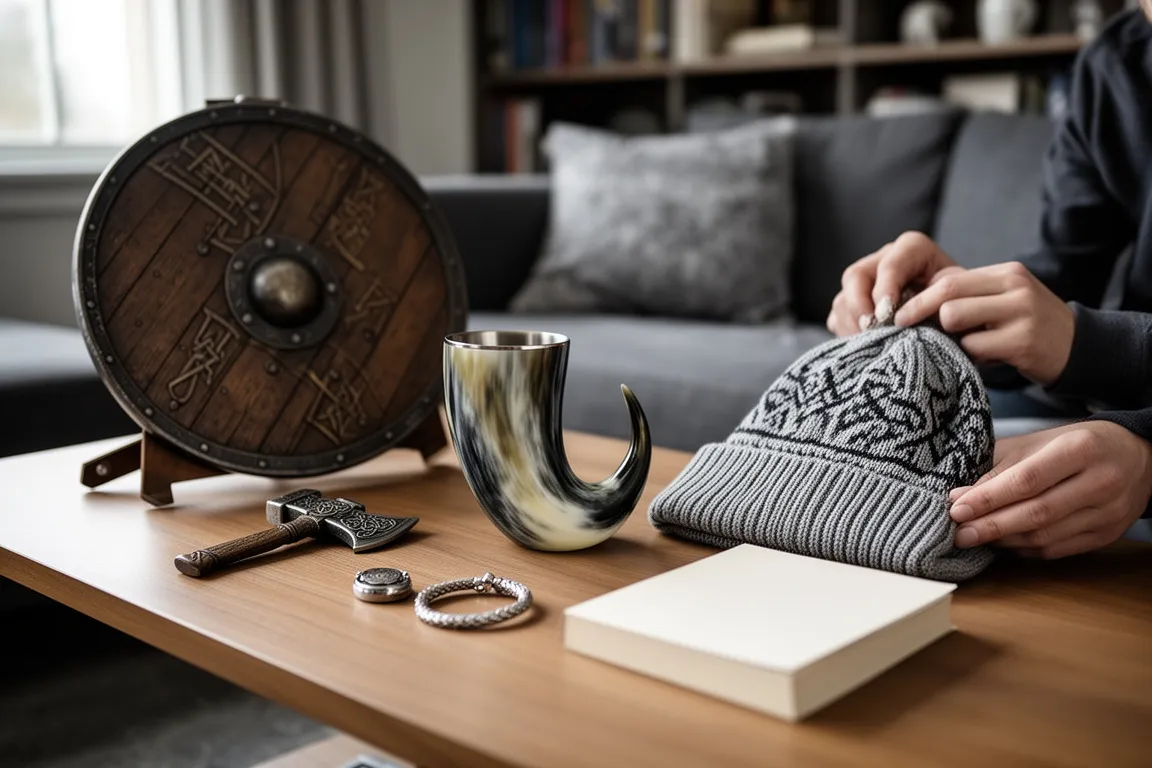
Knit beanie with Viking horns logo Outdoor games or cold mornings $25
Pullover hoodie in gray or purple Travel or casual Fridays $55
Flex-fit cap Any day, indoors or out $30

Pick Game Day Extras Last

Once you have the basics, add items you will actually carry to games.

  1. Start with a clear bag that meets stadium rules if you go to U.S. Bank Stadium.
  2. Get a scarf only if you sit in the cold upper deck; many fans skip it after one season.
  3. Test a small cooler tote for tailgates before you buy the full-size version.

Shop the official NFL site first for sizing accuracy, then compare prices at local sports stores like Dick’s if you need to try things on in person.