Posted on Leave a comment

Women’s Sports Fashion: Vikings Gear Designed for Every Fan

Women’s Sports Fashion: Vikings Gear Designed for Every Fan

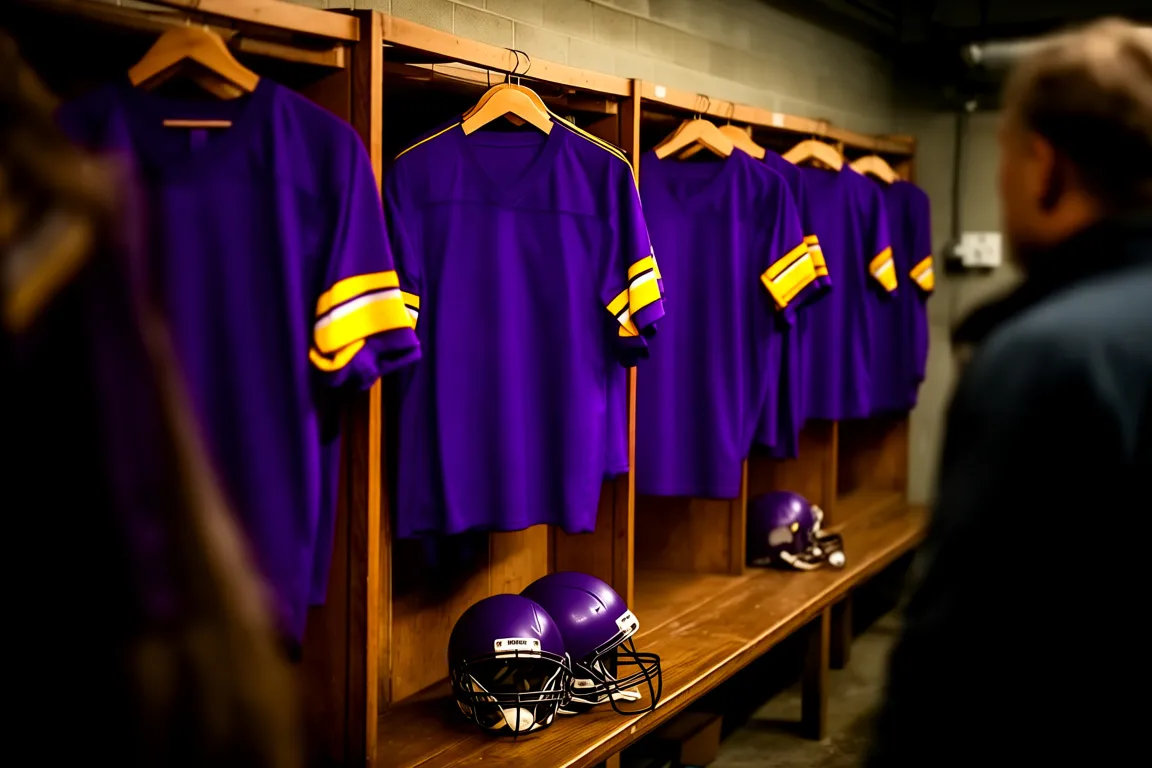
You need Vikings pieces that move when you do and still look like they belong on you. Start with a couple of core items sized for a woman’s cut, then build from there.

Start with fit and fabric

Women’s Vikings jerseys run narrower across the shoulders than the men’s versions. Try the official Nike women’s replica first if you want something you can wear all day without it stretching out.

  • Grab a fitted long-sleeve tee in purple for cooler evenings at the stadium.
  • Choose moisture-wicking leggings with the Vikings logo on the hip instead of basic sweatpants.
  • Skip anything labeled “one size” if you sit for three hours; it rarely stays comfortable.

Build three practical outfits

Match your pieces to what you actually do on game day.

Setting Top Bottom Layer
Tailgate Vikings tank Black leggings Denim jacket
Stadium seat Long-sleeve replica jersey Jeans Hooded sweatshirt
Watch party at home Cropped Vikings tee Joggers None needed

Check these before you leave

  1. Does the fabric pill after one wash? Return it if it does.
  2. Can you raise both arms without the hem riding up?
  3. Are the team colors accurate under stadium lights?
  4. Do the seams sit flat across your back when you sit down?

Keep one spare Vikings beanie in your bag. Cold hits fast once the sun drops.

Posted on Leave a comment

How to Care for and Maintain Your Sports Apparel Collection

How to Care for and Maintain Your Sports Apparel Collection

Sort pieces by fabric right after you finish a workout. This one step stops most odors and pilling before they start.

Washing and Drying

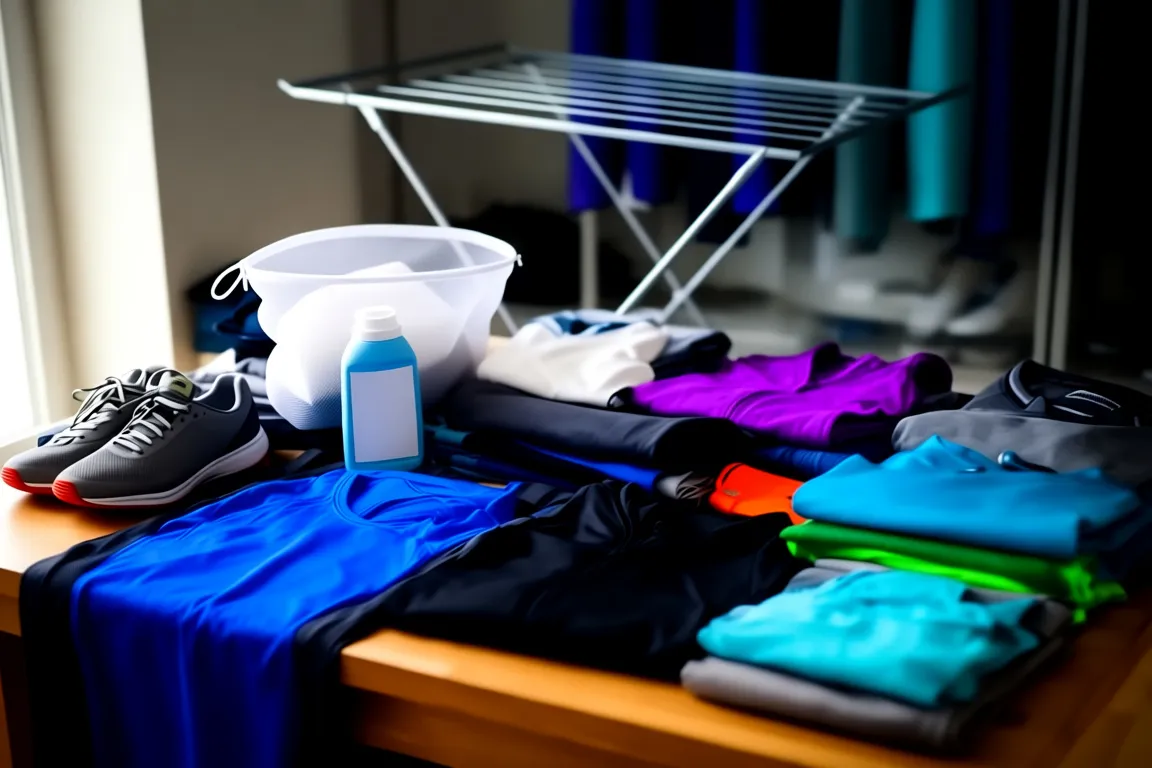
Turn technical shirts, shorts, and tights inside out. Zip up any jackets first.

  1. Rinse muddy or salty items under cold water in the sink for thirty seconds.
  2. Load the machine with similar fabrics only. Skip the fabric softener.
  3. Use cold water on a gentle cycle with half the usual detergent amount.
Fabric Water temp Extra note
Polyester blends Cold Skip bleach entirely
Merino wool Cold or warm Air dry flat
Elastane compression Cold Never wring

Air dry whenever you can. Hang shirts on plastic hangers in a shaded spot. Lay leggings flat on a towel so the elastic keeps its shape. Skip the dryer unless the care tag says otherwise.

Store clean gear folded or hung loosely. Keep compression items in a separate drawer away from Velcro straps that can snag them. Check seams every few weeks and stitch small holes before they grow.

Posted on Leave a comment

Guide to Authentic vs. Replica Sports Merchandise

Guide to Authentic vs. Replica Sports Merchandise

You can separate real team gear from copies with a few steady checks on tags, stitching, and seller habits. These details matter most when prices drop below retail or when the item comes from an unverified online seller.

How to Verify Before You Pay

Start with the label inside the collar or hem. Official pieces carry a heat-sealed or woven tag with the league logo, manufacturer name, and a unique serial number that matches the outer hologram sticker.

  1. Run your thumb along the stitching. Authentic jerseys use tight, even threads with reinforced seams at the shoulders and hem. Replicas often show loose loops or color mismatch at the thread ends.
  2. Check fabric weight and feel. Licensed apparel uses heavier polyester blends that hold shape after washing. Knockoffs feel thinner and pill quickly on the sleeves.
  3. Scan the hologram. Official stock includes a scannable code or NFC tag. Counterfeits either lack the code or show numbers that fail to register on the league verification site.
Item Authentic Sign Replica Sign
NFL jersey Stitched nameplate, heavy fabric, NFL shield on tag Screen-printed name, light material, missing serial
Premier League kit Heat-pressed badge, sponsor alignment straight Glued badge edges lifting, sponsor text uneven
MLB cap New Era tag with size sticker, curved brim stitching Generic tag, flat brim, loose button on top

Where Buyers Usually Slip Up

Most problems start when people chase a bargain on marketplaces without seller history. If the listing shows stock photos only or ships from an address outside the league’s main distributors, walk away.

  • Compare the current retail price on the team store site first. Anything 60 percent or more below that figure almost always signals a replica.
  • Ask for close-up photos of the wash tag and hologram before you commit. Real sellers send them without hesitation.
  • Buy from the official team store, Fanatics, or the league’s licensed partner when possible. These sources carry return policies that cover fakes.

Test your purchase the same day it arrives. Run the hologram scan and check the tag code right away so you can return it fast if anything fails.

Posted on Leave a comment

American Football Lifestyle: Beyond the Stadium Experience

American Football Lifestyle: Beyond the Stadium Experience

If you want to live the game instead of just watching it once a week, focus on the parts that fit into your regular schedule. Start with one habit that repeats every Sunday or Monday rather than trying to copy everything at once.

Tailgating Without a Stadium Parking Pass

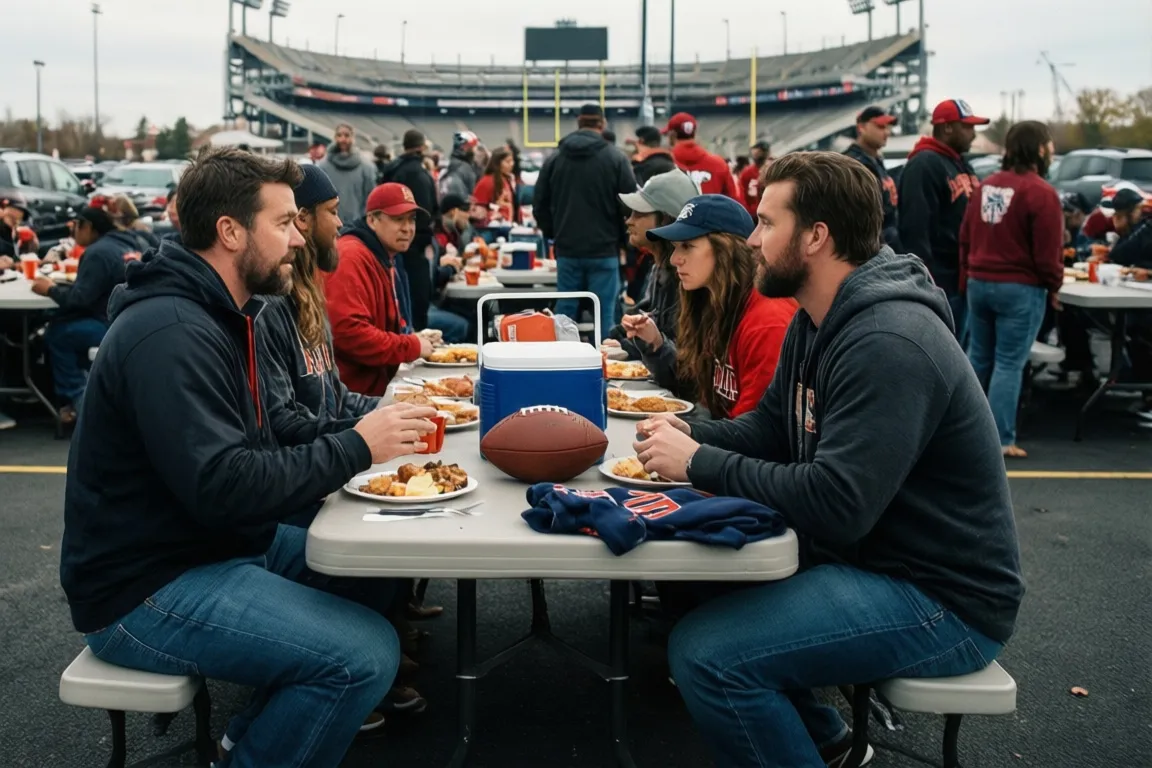
Many fans set up in a regular lot or park near sports bars when they cannot reach the official lots. You need a portable grill, a folding table, and one cooler that holds both drinks and raw meat on separate shelves.

  • Arrive two hours before kickoff so the coals are ready when friends show up.
  • Bring a second small cooler just for backup drinks in case the first one runs low before halftime.
  • Pack a bag of charcoal and a fire starter; gas grills often get banned in city parks.

My group usually splits the cost of burgers and buns three ways. One person handles the grill, another keeps score on a phone, and the third walks around and invites nearby strangers to grab a plate.

Building a Reliable Home Setup

You do not need a full sports bar at home. One large screen plus a second device for stats works for most people.

  1. Place the main TV at eye level so you do not crane your neck during long drives.
  2. Run an HDMI cable from a laptop to the TV for streaming if cable goes out.
  3. Keep a notepad or open spreadsheet on the side table for quick fantasy scoring notes.

Test the stream the night before a big game. Nothing kills momentum faster than a frozen screen in the second quarter.

Running a Small Fantasy League

Keep the league to eight or ten people so decisions stay quick. Use a free platform and set the buy-in at twenty dollars to keep it casual.

Week Task Time Needed
1 Draft 90 minutes
3 Trade deadline check-in 20 minutes
Every Sunday Lineup lock reminder text 5 minutes

One league I joined sends a single group text at 11 a.m. Eastern on game days. That single message cuts down on endless back-and-forth during the actual games.

Finding Pickup Games and Local Leagues

Search for adult flag football on city recreation sites or apps that list pick-up times. Most fields open at 9 a.m. on Saturdays and run two-hour sessions.

  • Bring your own mouthguard and cleats even if the league supplies jerseys.
  • Arrive fifteen minutes early to stretch with whoever shows up first.
  • Expect different skill levels. Start on defense until you learn the group pace.

One Thursday night group in my area rotates quarterbacks every three possessions so nobody hogs the ball the whole game.

Daily Habits That Match the Season

Wear team colors on game days but keep one neutral jacket for work. That way you avoid awkward conversations with clients who root for the other side.

Track your own steps or gym lifts on the same app you use for fantasy points. The numbers give you something to talk about with coworkers who also follow the league.

Rotate between two or three podcasts during the commute instead of listening to the same show every day. Fresh takes keep the conversation going when you meet friends later.
Posted on Leave a comment

Essential NFL Fan Gear for Every Season

Essential NFL Fan Gear for Every Season

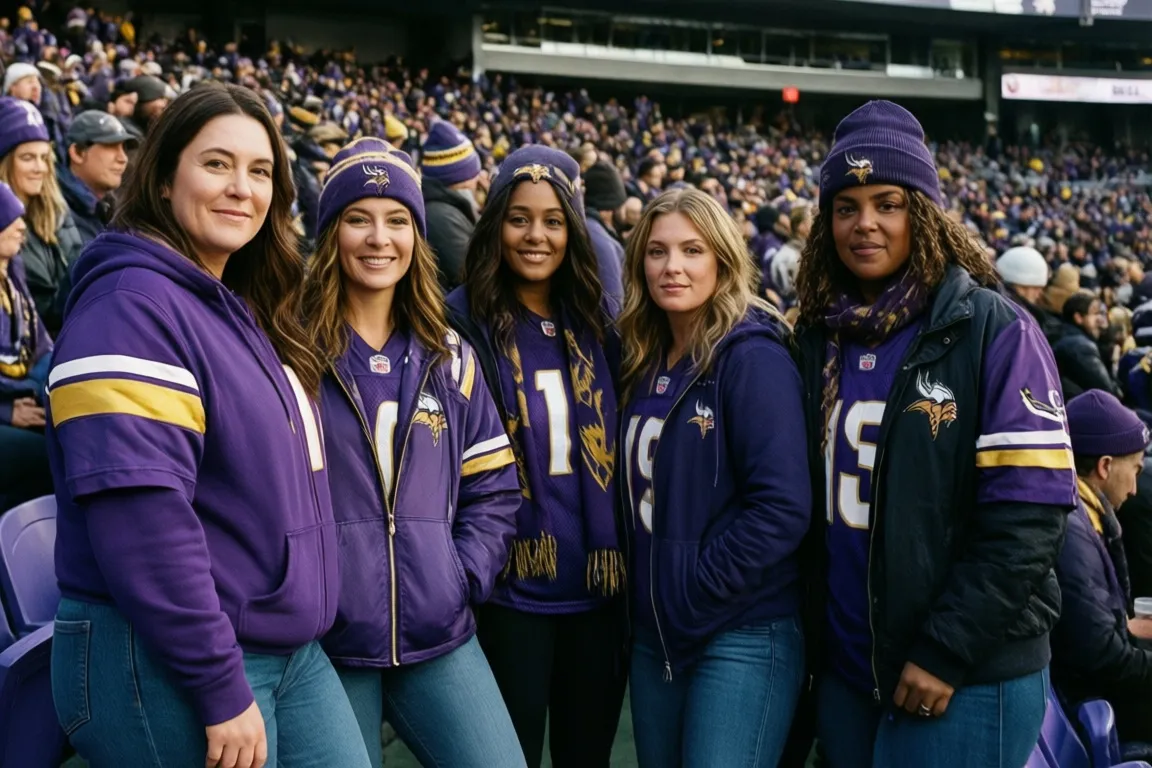
You need the right pieces so you stay comfortable at every game without overpacking. Start with your jersey and build from there based on the month and stadium.

Fall Regular Season Starts

September and October games often swing from warm afternoons to cool nights. Bring one layer you can add after kickoff.

  • Long-sleeve team shirt under a jersey for 50-degree evenings in places like Chicago
  • Light knit hat that fits in a pocket
  • Closed-toe shoes instead of sandals once the sun drops

Winter Playoff Games

January games in northern stadiums demand real insulation. Focus on what stays warm when you sit for three hours.

Item Example Use
Insulated puffer jacket Packers night games where temps hit single digits
Thermal base layer top and bottom Worn under jeans and hoodie at Buffalo
Thick wool socks Keeps feet warm inside boots during snow

Summer Preseason and Early Camps

August practices and exhibition games run hot. Skip heavy fabrics and choose breathable options instead.

  • Mesh jersey that lets air move during 90-degree tailgates in Atlanta
  • Wide-brim cap with team logo for sun protection
  • Portable fan that clips to a chair

Rain and Wind Days

Check the forecast the night before. A sudden shower can turn a fun afternoon into a cold one fast.

Keep a compact rain shell in your bag. Add waterproof seat covers for metal bleachers at open stadiums like Philadelphia.

Items That Work Year Round

Some pieces travel with you to every game. Build this short list once and reuse it.

  1. Phone charger with team-colored cable
  2. Small clear bag that meets stadium rules
  3. Noise maker like a thunder stick for road games
  4. Snacks in resealable bags for long drives home
Posted on Leave a comment

Sizing Guide: Finding the Perfect Fit in Sports Apparel

Sizing Guide: Finding the Perfect Fit in Sports Apparel

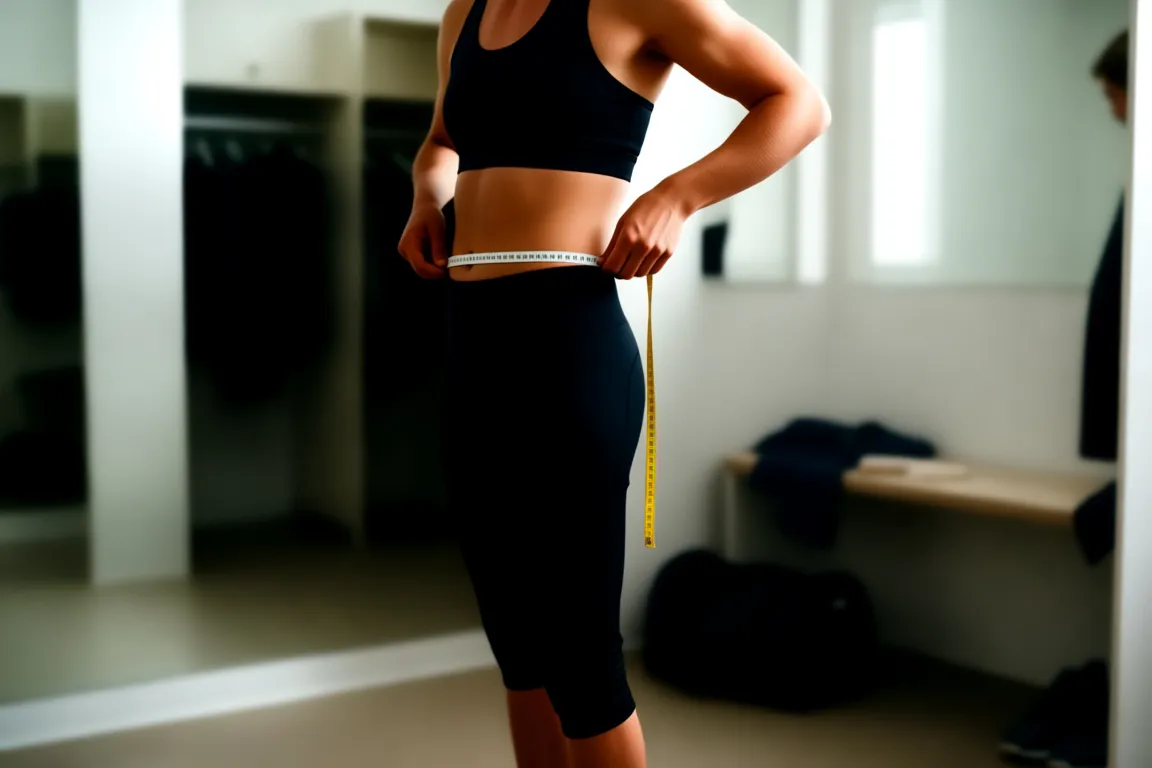
Measure yourself first. Then match those numbers against the brand chart for the item you want. This cuts down on returns and gives you clothes that stay put during training.

Get your measurements

  1. Wrap a soft tape around your chest at the widest point, under the arms.
  2. Find your natural waist, usually just above the hips, and measure there.
  3. For bottoms, measure the fullest part of your hips and your inseam from crotch to floor.

Do this in the morning before eating. A runner I know added an inch to his waist measurement after lunch and ended up with shorts that dug in on long runs.

Match the numbers to the chart

Every brand prints its own chart. Look at the exact item page, not the general brand size guide. A medium in one label’s running shirt can equal a large in their cycling jersey.

Measurement Small Medium Large
Chest 34-36 in 38-40 in 42-44 in
Waist 28-30 in 32-34 in 36-38 in
Hips 35-37 in 39-41 in 43-45 in

Write your numbers down and compare them directly to the row for the garment type.

Choose fit by sport

  • Running tops: pick one size smaller if you want zero bounce on long runs.
  • Weightlifting shorts: size up one if you need room for deep squats and thick knee sleeves.
  • Cycling jerseys: go true to size so the back stays down when you reach for the bars.

A soccer player I train with always sizes up in compression tights because the fabric stretches less after the first wash.

Test while moving

Try these quick checks before you keep the item:

  • Raise your arms overhead. Nothing should ride up past your waistband.
  • Squat or lunge. Check that the crotch does not bind or gap.
  • Walk or jog in place for 30 seconds. Seams should stay flat against skin.

If anything pulls or gaps, exchange it right away. The right size feels like it belongs on you after ten minutes of movement.

Posted on Leave a comment

How to Choose the Right Vikings Jersey for Game Day

How to Choose the Right Vikings Jersey for Game Day

Start by matching the jersey to how you will actually wear it. Most fans need one that handles movement, weather, and a full day at the stadium without riding up or feeling stiff.

Lock in the right size and cut first

Try the jersey on if you can, or use the team’s size chart with your measurements. Game day means stairs, standing, and sitting, so leave room for layers underneath.

  • Authentic fits run tight through the chest and arms. Grab one size up if you wear hoodies.
  • Women often prefer the replica cut because it sits straighter at the hips.
  • Kids versions work fine for adults who want something lighter, but check sleeve length first.

Measure your chest and compare it to the tag before you order. A jersey that pulls at the shoulders will annoy you by halftime.

Match the player or design to the moment

Current roster names like Jefferson or Cousins stay relevant all season. Throwbacks such as Moss or Carter draw comments in the tailgate lot but can feel dated if the team struggles.

  1. Decide if you want a name on the back. Blank jerseys cost less and let you add patches later.
  2. Check color: purple home jerseys stand out under lights, while white road versions stay cooler in early fall sun.
  3. Look at the patch on the sleeve. A Super Bowl patch or anniversary logo adds detail without changing the fit.

Check fabric weight and stitching

Mesh jerseys breathe better during September games. Heavier nylon holds up to rain and multiple washes.

Material Best for Watch out for
Mesh Warm weather, constant movement Can snag on seatbacks
Heavy nylon Cold games, tailgating Feels warmer if you sit indoors
Replica screen print One season use Numbers may crack after washing

Run your hand over the numbers. Stitched versions last longer than prints when you wash the jersey after every game.

Posted on Leave a comment

Minnesota Vikings Iconic Players and Their Legacy Jerseys

Minnesota Vikings Iconic Players and Their Legacy Jerseys

Start here if you want to match a Vikings jersey to the player who made the number mean something. Focus on the four names below and the exact numbers they wore. That cuts through most replica confusion at once.

Fran Tarkenton: Number 10

Tarkenton wore 10 from 1961 to 1978. Look for the plain block numbers on early purple jerseys and the thinner font on later white road versions. Fans still pull these out for throwback games because the fit stays true to the 1970s cut.

  • Check the sleeve stripes for the single thin gold band used in his final seasons.
  • Authentic versions show a slightly faded purple from years of wear.

Alan Page: Number 88

Page played 88 from 1967 to 1975. The defensive line group that included him gave the number its lasting weight. Jerseys from this stretch carry wider shoulder pads and a heavier mesh fabric than today’s versions.

Use this quick check:

  1. Confirm the number placement sits higher on the chest than modern cuts.
  2. Look for the old NFL shield logo on the sleeve instead of the current one.

Randy Moss: Number 84

Moss took 84 from 1998 to 2004. His deep-threat style made that number the default choice for speed receivers who followed. Replicas from the late 90s show brighter gold trim around the numbers.

Detail What to verify
Collar tag Reebok branding on 1998-2000 stock
Number color White with thin purple outline on home jerseys

Adrian Peterson: Number 28

Peterson wore 28 from 2007 to 2016. Running backs who want that same physical style still reach for it. The later Nike fits have a tighter sleeve and smaller logo on the front.

  • Match the exact purple shade: 2009-2012 stock runs a touch darker.
  • Check for the Nike swoosh on the right chest starting in 2012.

Grab one of these four numbers first when you want a jersey that actually ties back to a player instead of a generic team shirt.