Posted on Leave a comment

How to Care for and Maintain Your Sports Apparel Collection

How to Care for and Maintain Your Sports Apparel Collection

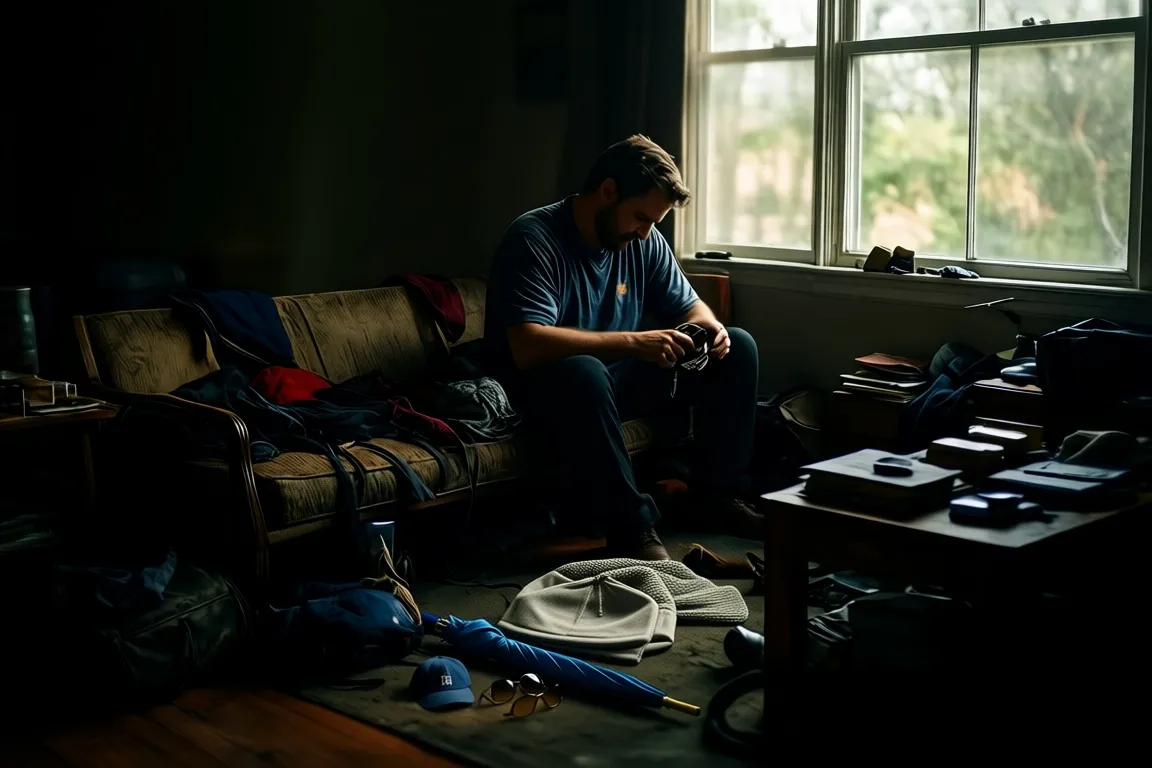
Sort pieces by fabric right after you finish a workout. This one step stops most odors and pilling before they start.

Washing and Drying

Turn technical shirts, shorts, and tights inside out. Zip up any jackets first.

  1. Rinse muddy or salty items under cold water in the sink for thirty seconds.
  2. Load the machine with similar fabrics only. Skip the fabric softener.
  3. Use cold water on a gentle cycle with half the usual detergent amount.
Fabric Water temp Extra note
Polyester blends Cold Skip bleach entirely
Merino wool Cold or warm Air dry flat
Elastane compression Cold Never wring

Air dry whenever you can. Hang shirts on plastic hangers in a shaded spot. Lay leggings flat on a towel so the elastic keeps its shape. Skip the dryer unless the care tag says otherwise.

Store clean gear folded or hung loosely. Keep compression items in a separate drawer away from Velcro straps that can snag them. Check seams every few weeks and stitch small holes before they grow.

Posted on Leave a comment

The Psychology Behind Sports Fan Fashion and Team Identity

The Psychology Behind Sports Fan Fashion and Team Identity

Fans wear team gear because it signals belonging and gives a quick boost in mood and confidence. The same jersey or cap that feels ordinary at home turns into a social cue once you step outside.

Why the clothes create connection

Putting on team colors tells others which group you claim. That visible marker triggers the same brain response people get from any shared label, whether it is a work badge or a neighborhood shirt.

  • A fan at a bar wearing the local NFL team hat gets nods from strangers who root for the same side.
  • Parents buy matching infant onesies so the whole family shows up as one unit on game day.
  • College students keep their university sweatshirt in rotation years after graduation because it still marks an important chapter.

Matching team items to your own style

You do not have to copy the loudest look in the stands. Start with one or two pieces that already fit how you dress the rest of the week.

Daily style Easy team addition Example
Casual basics Neutral cap or beanie Black team hat with jeans and a plain tee
Work casual Subtle polo or quarter-zip Team polo on Fridays with chinos
Athleisure Hoodie or joggers Team sweatpants for weekend errands

Check the fit first. Baggy or shiny fabrics can feel out of place if your usual clothes run slim and matte.

Three steps to test a new piece

  1. Wear it once on a non-game day around your neighborhood.
  2. Note any comments or looks you get.
  3. Decide if the item still feels like you or if it pulls too much attention.

Repeat with the next item. Most fans end up with three or four reliable pieces they reach for all season instead of a closet full of unused jerseys.

Posted on Leave a comment

Essential NFL Fan Gear for Every Season

Essential NFL Fan Gear for Every Season

You need the right pieces so you stay comfortable at every game without overpacking. Start with your jersey and build from there based on the month and stadium.

Fall Regular Season Starts

September and October games often swing from warm afternoons to cool nights. Bring one layer you can add after kickoff.

  • Long-sleeve team shirt under a jersey for 50-degree evenings in places like Chicago
  • Light knit hat that fits in a pocket
  • Closed-toe shoes instead of sandals once the sun drops

Winter Playoff Games

January games in northern stadiums demand real insulation. Focus on what stays warm when you sit for three hours.

Item Example Use
Insulated puffer jacket Packers night games where temps hit single digits
Thermal base layer top and bottom Worn under jeans and hoodie at Buffalo
Thick wool socks Keeps feet warm inside boots during snow

Summer Preseason and Early Camps

August practices and exhibition games run hot. Skip heavy fabrics and choose breathable options instead.

  • Mesh jersey that lets air move during 90-degree tailgates in Atlanta
  • Wide-brim cap with team logo for sun protection
  • Portable fan that clips to a chair

Rain and Wind Days

Check the forecast the night before. A sudden shower can turn a fun afternoon into a cold one fast.

Keep a compact rain shell in your bag. Add waterproof seat covers for metal bleachers at open stadiums like Philadelphia.

Items That Work Year Round

Some pieces travel with you to every game. Build this short list once and reuse it.

  1. Phone charger with team-colored cable
  2. Small clear bag that meets stadium rules
  3. Noise maker like a thunder stick for road games
  4. Snacks in resealable bags for long drives home
Posted on Leave a comment

The History of Minnesota Vikings Uniforms and Design Evolution

The History of Minnesota Vikings Uniforms and Design Evolution

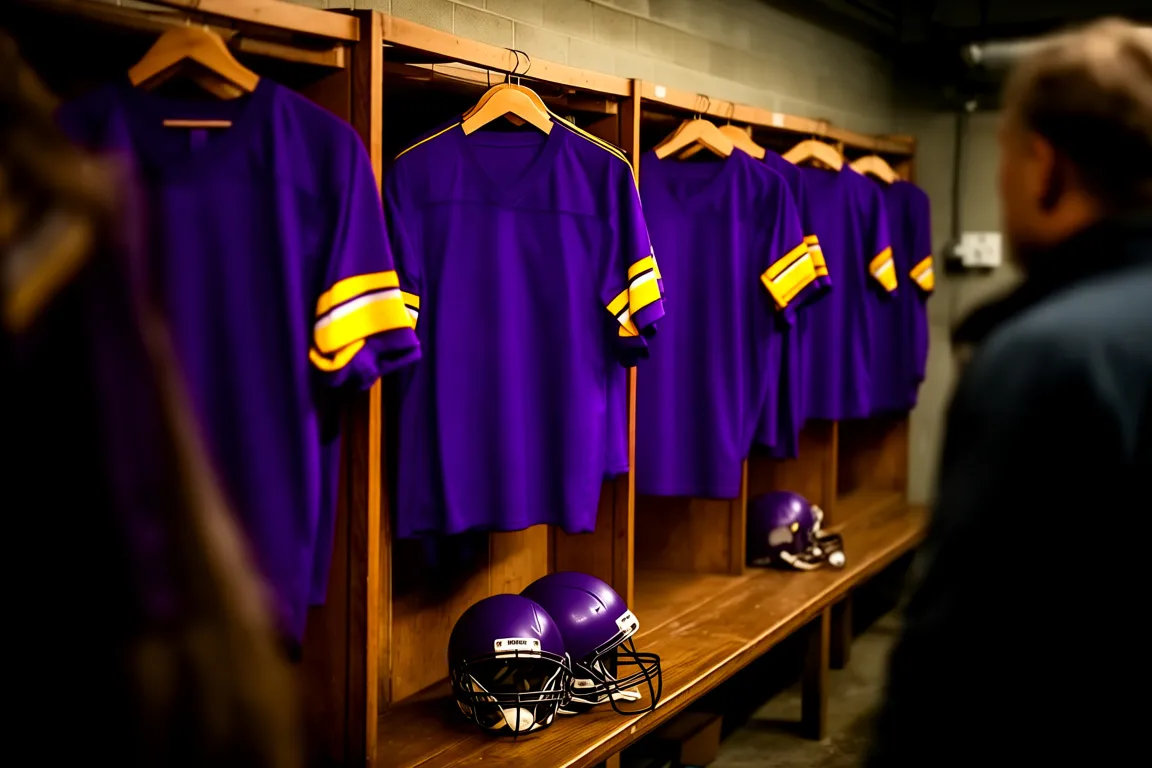
The Vikings have kept the same core colors since day one, yet the cut, trim, and helmet details have changed in clear steps. You can track each shift by looking at the pants stripe width, number style, and horn placement on the helmet.

1961: The First Set

The team launched with purple jerseys, white pants, and gold trim. The helmet showed yellow horns on a purple shell with a white center stripe. Early photos show the numbers on the jersey sleeves sat higher than today’s placement.

  • Jersey: Solid purple with gold outline on numbers
  • Pants: White with a single thin purple stripe
  • Helmet: Yellow horns, no facemask until 1962

1970s: Tightening the Look

By 1970 the pants stripe widened and the jersey numbers moved to a block style. The horn logo on the helmet grew slightly larger. Players wore this version through the playoff runs of the mid-70s.

Check the sleeve stripes: they stayed narrow and straight until 1979, when a second gold line appeared above the purple one.

1990s to 2006: Minor Tweaks

The team kept the same template but swapped the fabric to a lighter mesh in 1996. The gold on the pants stripe picked up a reflective thread that showed under stadium lights. In 2002 they added a small TV-number patch on the back of the collar.

Year Change
1996 Mesh fabric on jerseys
2002 Collar TV number added
2006 Gold pants reintroduced for select games

2013 Redesign

Nike took over and gave the jersey a new cut with shorter sleeves and a stretchier neck. The horn logo on the helmet moved forward a half inch. Gold trim around the numbers became thinner. Many fans first noticed the change in the season opener against Detroit.

2016 to Now: Current Details

The current set uses the same purple and gold but the pants stripe now has a broken gold line inside the purple band. Helmets added a matte finish option for road games in 2020. Throwback uniforms from 2018 copied the 1970s block numbers exactly, including the old sleeve placement.

If you want to spot the differences in photos, start with the pants stripe and work up to the helmet horns.


Posted on Leave a comment

Minnesota Vikings Iconic Players and Their Legacy Jerseys

Minnesota Vikings Iconic Players and Their Legacy Jerseys

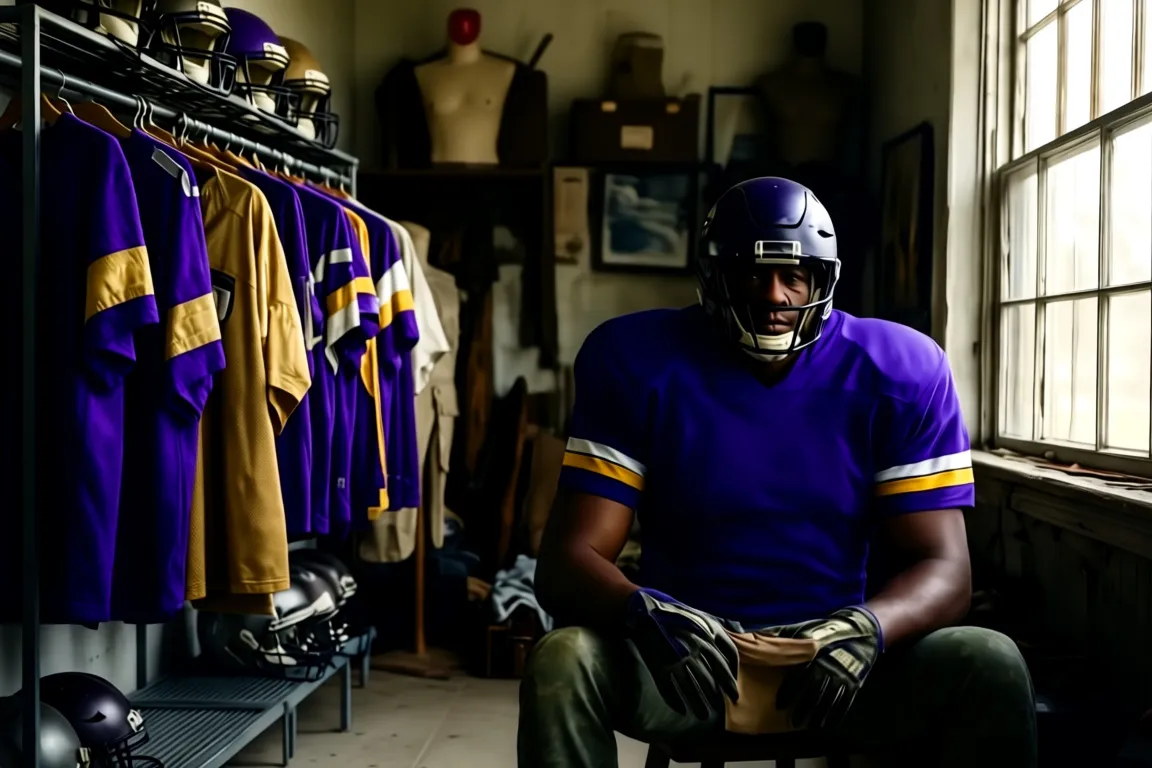
Start here if you want to match a Vikings jersey to the player who made the number mean something. Focus on the four names below and the exact numbers they wore. That cuts through most replica confusion at once.

Fran Tarkenton: Number 10

Tarkenton wore 10 from 1961 to 1978. Look for the plain block numbers on early purple jerseys and the thinner font on later white road versions. Fans still pull these out for throwback games because the fit stays true to the 1970s cut.

  • Check the sleeve stripes for the single thin gold band used in his final seasons.
  • Authentic versions show a slightly faded purple from years of wear.

Alan Page: Number 88

Page played 88 from 1967 to 1975. The defensive line group that included him gave the number its lasting weight. Jerseys from this stretch carry wider shoulder pads and a heavier mesh fabric than today’s versions.

Use this quick check:

  1. Confirm the number placement sits higher on the chest than modern cuts.
  2. Look for the old NFL shield logo on the sleeve instead of the current one.

Randy Moss: Number 84

Moss took 84 from 1998 to 2004. His deep-threat style made that number the default choice for speed receivers who followed. Replicas from the late 90s show brighter gold trim around the numbers.

Detail What to verify
Collar tag Reebok branding on 1998-2000 stock
Number color White with thin purple outline on home jerseys

Adrian Peterson: Number 28

Peterson wore 28 from 2007 to 2016. Running backs who want that same physical style still reach for it. The later Nike fits have a tighter sleeve and smaller logo on the front.

  • Match the exact purple shade: 2009-2012 stock runs a touch darker.
  • Check for the Nike swoosh on the right chest starting in 2012.

Grab one of these four numbers first when you want a jersey that actually ties back to a player instead of a generic team shirt.