Sizing Guide: Finding the Perfect Fit in Sports Apparel
Measure yourself first. Then match those numbers against the brand chart for the item you want. This cuts down on returns and gives you clothes that stay put during training.
Get your measurements
- Wrap a soft tape around your chest at the widest point, under the arms.
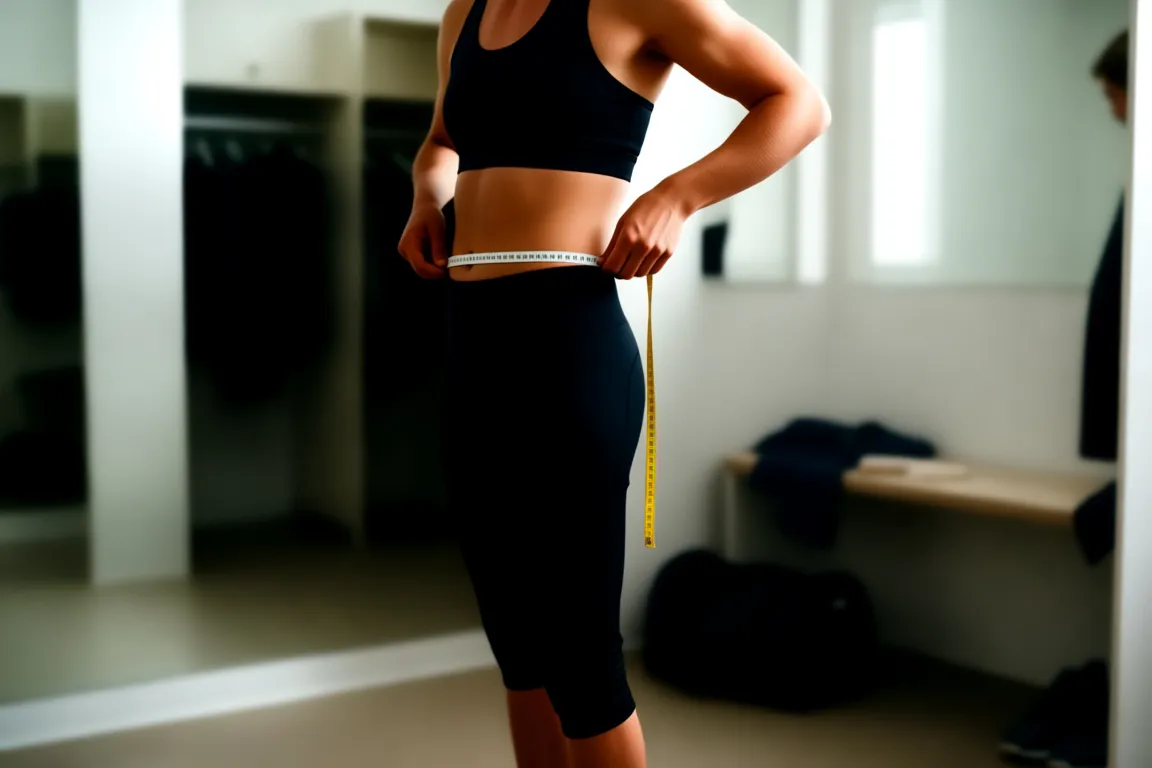
- Find your natural waist, usually just above the hips, and measure there.
- For bottoms, measure the fullest part of your hips and your inseam from crotch to floor.
Do this in the morning before eating. A runner I know added an inch to his waist measurement after lunch and ended up with shorts that dug in on long runs.
Match the numbers to the chart
Every brand prints its own chart. Look at the exact item page, not the general brand size guide. A medium in one label’s running shirt can equal a large in their cycling jersey.
| Measurement | Small | Medium | Large |
|---|---|---|---|
| Chest | 34-36 in | 38-40 in | 42-44 in |
| Waist | 28-30 in | 32-34 in | 36-38 in |
| Hips | 35-37 in | 39-41 in | 43-45 in |
Write your numbers down and compare them directly to the row for the garment type.
Choose fit by sport
- Running tops: pick one size smaller if you want zero bounce on long runs.
- Weightlifting shorts: size up one if you need room for deep squats and thick knee sleeves.
- Cycling jerseys: go true to size so the back stays down when you reach for the bars.
A soccer player I train with always sizes up in compression tights because the fabric stretches less after the first wash.
Test while moving
Try these quick checks before you keep the item:
- Raise your arms overhead. Nothing should ride up past your waistband.
- Squat or lunge. Check that the crotch does not bind or gap.
- Walk or jog in place for 30 seconds. Seams should stay flat against skin.
If anything pulls or gaps, exchange it right away. The right size feels like it belongs on you after ten minutes of movement.