Posted on Leave a comment

Sizing Guide: Finding the Perfect Fit in Sports Apparel

Sizing Guide: Finding the Perfect Fit in Sports Apparel

Measure yourself first. Then match those numbers against the brand chart for the item you want. This cuts down on returns and gives you clothes that stay put during training.

Get your measurements

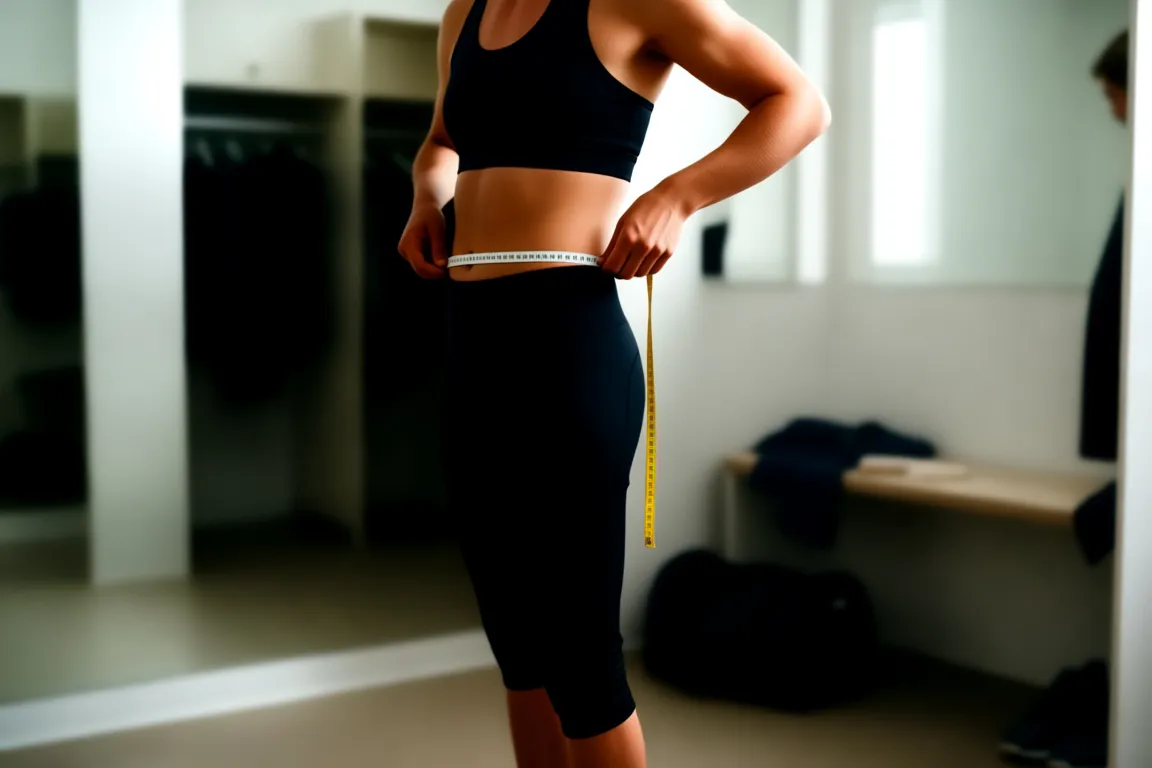
  1. Wrap a soft tape around your chest at the widest point, under the arms.
  2. Find your natural waist, usually just above the hips, and measure there.
  3. For bottoms, measure the fullest part of your hips and your inseam from crotch to floor.

Do this in the morning before eating. A runner I know added an inch to his waist measurement after lunch and ended up with shorts that dug in on long runs.

Match the numbers to the chart

Every brand prints its own chart. Look at the exact item page, not the general brand size guide. A medium in one label’s running shirt can equal a large in their cycling jersey.

Measurement Small Medium Large
Chest 34-36 in 38-40 in 42-44 in
Waist 28-30 in 32-34 in 36-38 in
Hips 35-37 in 39-41 in 43-45 in

Write your numbers down and compare them directly to the row for the garment type.

Choose fit by sport

  • Running tops: pick one size smaller if you want zero bounce on long runs.
  • Weightlifting shorts: size up one if you need room for deep squats and thick knee sleeves.
  • Cycling jerseys: go true to size so the back stays down when you reach for the bars.

A soccer player I train with always sizes up in compression tights because the fabric stretches less after the first wash.

Test while moving

Try these quick checks before you keep the item:

  • Raise your arms overhead. Nothing should ride up past your waistband.
  • Squat or lunge. Check that the crotch does not bind or gap.
  • Walk or jog in place for 30 seconds. Seams should stay flat against skin.

If anything pulls or gaps, exchange it right away. The right size feels like it belongs on you after ten minutes of movement.
Posted on Leave a comment

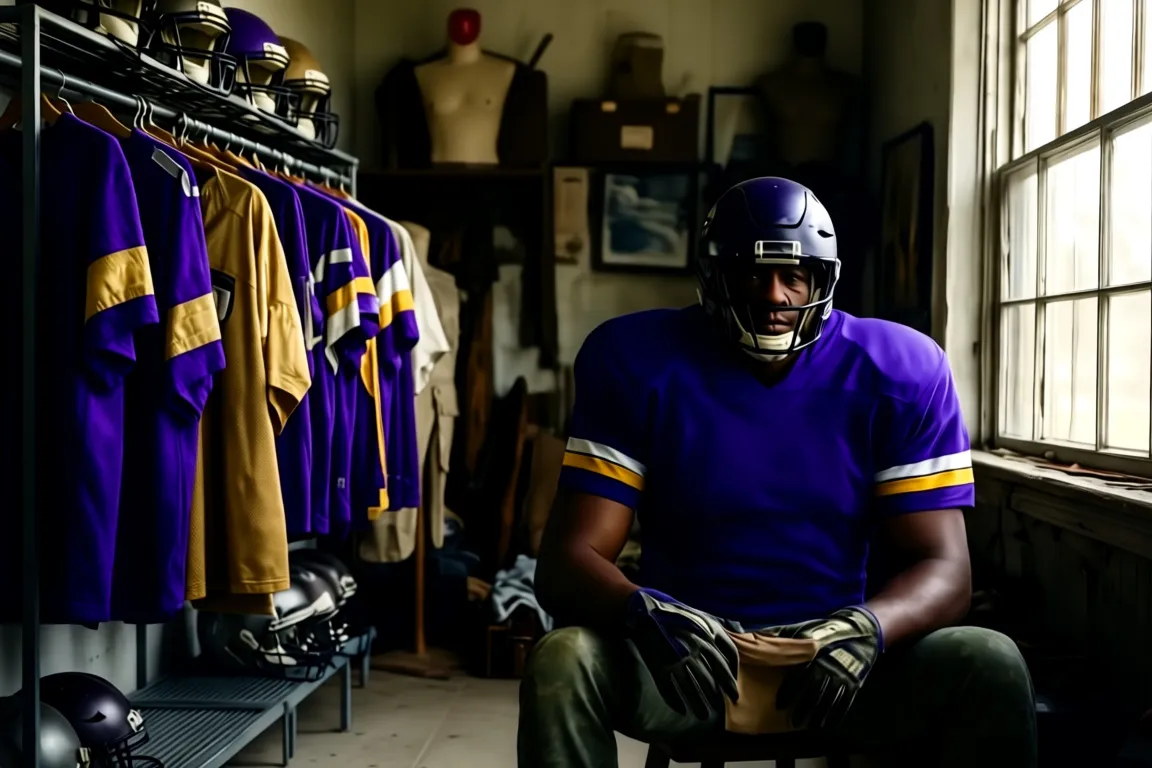
How to Choose the Right Vikings Jersey for Game Day

How to Choose the Right Vikings Jersey for Game Day

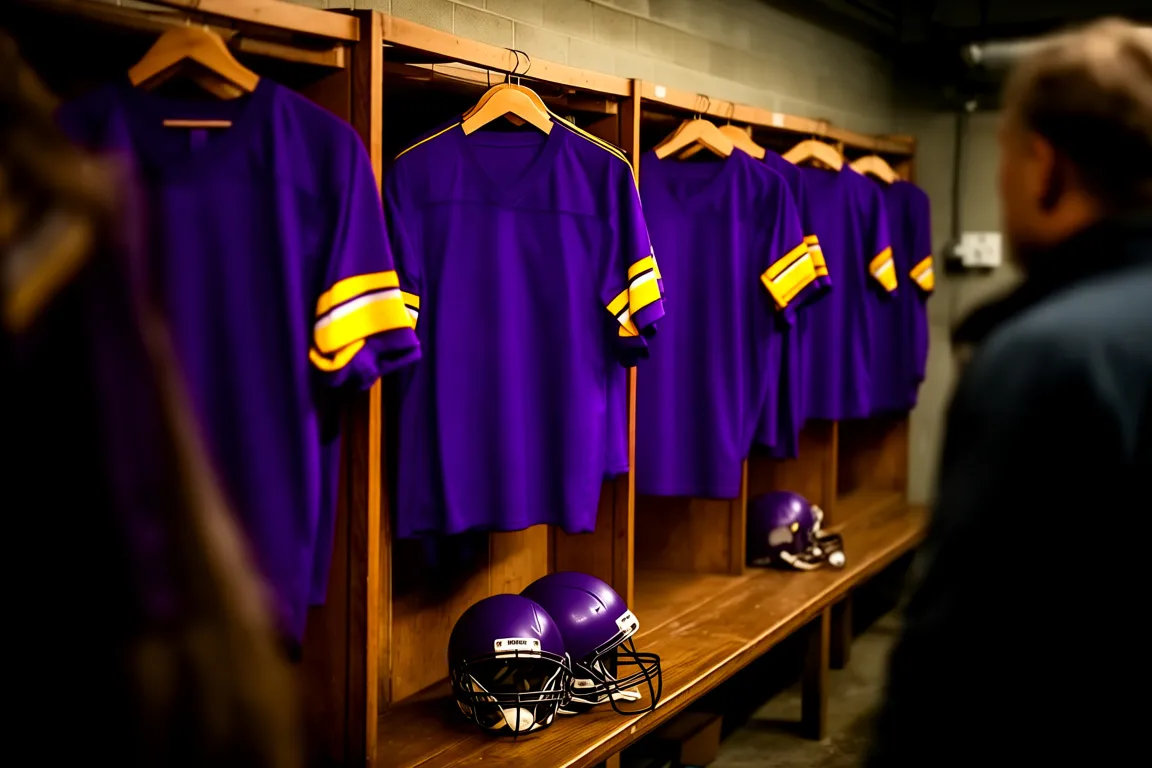
Start by matching the jersey to how you will actually wear it. Most fans need one that handles movement, weather, and a full day at the stadium without riding up or feeling stiff.

Lock in the right size and cut first

Try the jersey on if you can, or use the team’s size chart with your measurements. Game day means stairs, standing, and sitting, so leave room for layers underneath.

  • Authentic fits run tight through the chest and arms. Grab one size up if you wear hoodies.
  • Women often prefer the replica cut because it sits straighter at the hips.
  • Kids versions work fine for adults who want something lighter, but check sleeve length first.

Measure your chest and compare it to the tag before you order. A jersey that pulls at the shoulders will annoy you by halftime.

Match the player or design to the moment

Current roster names like Jefferson or Cousins stay relevant all season. Throwbacks such as Moss or Carter draw comments in the tailgate lot but can feel dated if the team struggles.

  1. Decide if you want a name on the back. Blank jerseys cost less and let you add patches later.
  2. Check color: purple home jerseys stand out under lights, while white road versions stay cooler in early fall sun.
  3. Look at the patch on the sleeve. A Super Bowl patch or anniversary logo adds detail without changing the fit.

Check fabric weight and stitching

Mesh jerseys breathe better during September games. Heavier nylon holds up to rain and multiple washes.

Material Best for Watch out for
Mesh Warm weather, constant movement Can snag on seatbacks
Heavy nylon Cold games, tailgating Feels warmer if you sit indoors
Replica screen print One season use Numbers may crack after washing

Run your hand over the numbers. Stitched versions last longer than prints when you wash the jersey after every game.

Posted on Leave a comment

The History of Minnesota Vikings Uniforms and Design Evolution

The History of Minnesota Vikings Uniforms and Design Evolution

The Vikings have kept the same core colors since day one, yet the cut, trim, and helmet details have changed in clear steps. You can track each shift by looking at the pants stripe width, number style, and horn placement on the helmet.

1961: The First Set

The team launched with purple jerseys, white pants, and gold trim. The helmet showed yellow horns on a purple shell with a white center stripe. Early photos show the numbers on the jersey sleeves sat higher than today’s placement.

  • Jersey: Solid purple with gold outline on numbers
  • Pants: White with a single thin purple stripe
  • Helmet: Yellow horns, no facemask until 1962

1970s: Tightening the Look

By 1970 the pants stripe widened and the jersey numbers moved to a block style. The horn logo on the helmet grew slightly larger. Players wore this version through the playoff runs of the mid-70s.

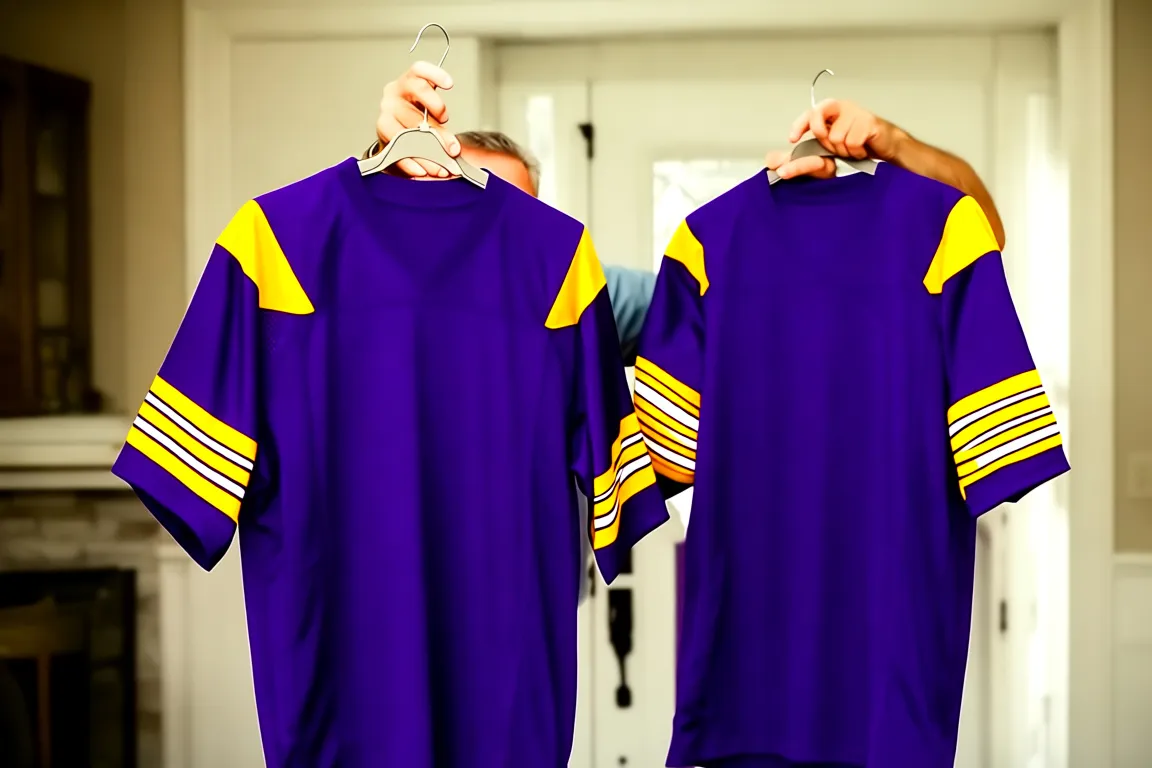
Check the sleeve stripes: they stayed narrow and straight until 1979, when a second gold line appeared above the purple one.

1990s to 2006: Minor Tweaks

The team kept the same template but swapped the fabric to a lighter mesh in 1996. The gold on the pants stripe picked up a reflective thread that showed under stadium lights. In 2002 they added a small TV-number patch on the back of the collar.

Year Change
1996 Mesh fabric on jerseys
2002 Collar TV number added
2006 Gold pants reintroduced for select games

2013 Redesign

Nike took over and gave the jersey a new cut with shorter sleeves and a stretchier neck. The horn logo on the helmet moved forward a half inch. Gold trim around the numbers became thinner. Many fans first noticed the change in the season opener against Detroit.

2016 to Now: Current Details

The current set uses the same purple and gold but the pants stripe now has a broken gold line inside the purple band. Helmets added a matte finish option for road games in 2020. Throwback uniforms from 2018 copied the 1970s block numbers exactly, including the old sleeve placement.

If you want to spot the differences in photos, start with the pants stripe and work up to the helmet horns.

Posted on Leave a comment

Best Vikings Merchandise for New Fans Getting Started

Best Vikings Merchandise for New Fans Getting Started

You want gear that shows you follow the Vikings without spending on stuff you will not use. Start with one core piece that works for home or the stadium, then add items that fit daily life.

Begin with a Jersey

A jersey gives the clearest signal you are a fan. New fans often pick the current quarterback or a skill player who has stayed with the team for years.

  • Justin Jefferson home purple jersey runs about $130 at the official shop.
  • Choose size up if you plan to layer it over a hoodie in Minnesota winters.
  • Check the stitching on the numbers before you buy used ones on resale sites.

Add Hats and Layer Pieces

Hats and hoodies handle most everyday wear. They cost less than a full jersey yet still read as team gear.

Item When to wear it Typical price
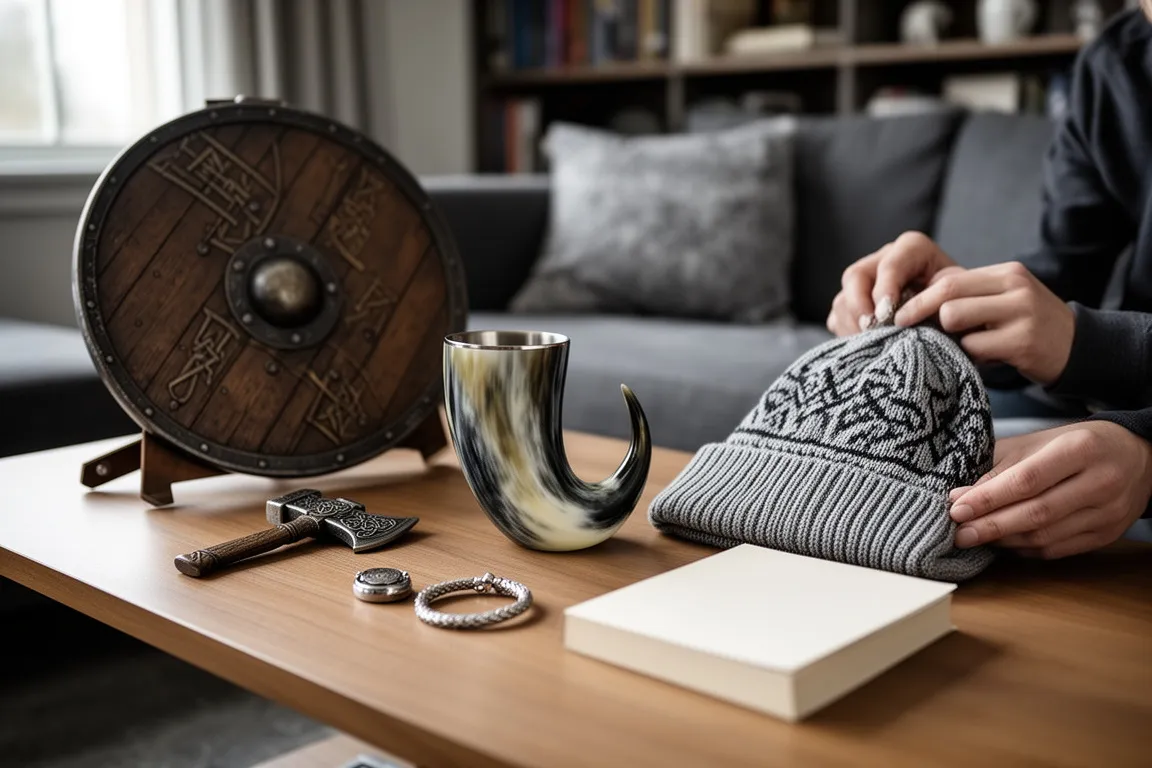
Knit beanie with Viking horns logo Outdoor games or cold mornings $25
Pullover hoodie in gray or purple Travel or casual Fridays $55
Flex-fit cap Any day, indoors or out $30

Pick Game Day Extras Last

Once you have the basics, add items you will actually carry to games.

  1. Start with a clear bag that meets stadium rules if you go to U.S. Bank Stadium.
  2. Get a scarf only if you sit in the cold upper deck; many fans skip it after one season.
  3. Test a small cooler tote for tailgates before you buy the full-size version.

Shop the official NFL site first for sizing accuracy, then compare prices at local sports stores like Dick’s if you need to try things on in person.

Posted on Leave a comment

Minnesota Vikings Iconic Players and Their Legacy Jerseys

Minnesota Vikings Iconic Players and Their Legacy Jerseys

Start here if you want to match a Vikings jersey to the player who made the number mean something. Focus on the four names below and the exact numbers they wore. That cuts through most replica confusion at once.

Fran Tarkenton: Number 10

Tarkenton wore 10 from 1961 to 1978. Look for the plain block numbers on early purple jerseys and the thinner font on later white road versions. Fans still pull these out for throwback games because the fit stays true to the 1970s cut.

  • Check the sleeve stripes for the single thin gold band used in his final seasons.
  • Authentic versions show a slightly faded purple from years of wear.

Alan Page: Number 88

Page played 88 from 1967 to 1975. The defensive line group that included him gave the number its lasting weight. Jerseys from this stretch carry wider shoulder pads and a heavier mesh fabric than today’s versions.

Use this quick check:

  1. Confirm the number placement sits higher on the chest than modern cuts.
  2. Look for the old NFL shield logo on the sleeve instead of the current one.

Randy Moss: Number 84

Moss took 84 from 1998 to 2004. His deep-threat style made that number the default choice for speed receivers who followed. Replicas from the late 90s show brighter gold trim around the numbers.

Detail What to verify
Collar tag Reebok branding on 1998-2000 stock
Number color White with thin purple outline on home jerseys

Adrian Peterson: Number 28

Peterson wore 28 from 2007 to 2016. Running backs who want that same physical style still reach for it. The later Nike fits have a tighter sleeve and smaller logo on the front.

  • Match the exact purple shade: 2009-2012 stock runs a touch darker.
  • Check for the Nike swoosh on the right chest starting in 2012.

Grab one of these four numbers first when you want a jersey that actually ties back to a player instead of a generic team shirt.